
How to Avoid Dehydration During Summer
Hot weather, longer days, and more time outdoors are hallmarks of summer—so is an increased risk of dehydration. This guide explains how dehydration happens, how much and what to drink, and smart strategies to stay safe and comfortable in the heat.
What Is Dehydration and Why It Happens
Dehydration occurs when your body loses more fluid than it takes in. In summer, you lose water faster through sweat as your body cools itself. Along with water, you also lose electrolytes like sodium and potassium that help your muscles and nerves work properly.
Factors that increase fluid loss include high temperatures, humidity, sun exposure, physical activity, illness (vomiting/diarrhea/fever), some medications, and alcohol.
How Much to Drink Each Day
Daily fluid needs vary by body size, activity, climate, and health. As a general guide, total water intake (from beverages and foods) averages about:
- Men: roughly 3.7 liters (about 13 cups) per day
- Women: roughly 2.7 liters (about 9 cups) per day
On hot days or when active, you’ll likely need more. Use these simple cues:
- Thirst is a helpful but imperfect signal—don’t wait until you’re very thirsty.
- Urine color: aim for pale yellow. Darker yellow or amber often means you need more fluids. (Note: vitamins can brighten urine color.)
- Frequency: peeing every 3–4 hours is typical when hydrated.
Remember: needs are individual. If you have a medical condition requiring fluid restriction or careful balance (e.g., heart, kidney, or liver disease), follow your clinician’s advice.
Smart Hydration Strategies for Hot Days
- Start early: drink a glass of water soon after waking; you’re slightly dehydrated from overnight.
- Drink consistently: sip small amounts throughout the day rather than chugging occasionally.
- Pre-hydrate: drink water 1–2 hours before outdoor activity; bring fluids with you.
- Pair drinking with habits: have water at meals and keep a bottle within reach at work or on the go.
- Flavor without excess sugar: add slices of lemon, cucumber, mint, or berries to encourage more drinking.
- Set reminders: use phone alerts or hydration apps, especially if you forget to drink when busy.
- Balance with salt when sweating heavily: include a salty snack or an electrolyte drink if you’re drenched with sweat or exercising for over an hour.
Electrolytes: When Water Isn’t Enough
Electrolytes (sodium, potassium, chloride, magnesium) help maintain fluid balance and muscle/nerve function. Consider electrolyte replacement when:
- Exercising or working in heat for more than 60 minutes
- You’re a “salty sweater” (salt stains on clothes/skin, stinging eyes)
- You’re experiencing cramps, dizziness, or headache despite drinking water
Options include sports drinks (choose lower-sugar versions for casual activity), electrolyte tablets/powders, or oral rehydration solutions (ORS). For diarrhea, vomiting, or heat illness, ORS is especially effective.
Simple home ORS recipe: In 1 liter of clean water, dissolve 6 level teaspoons of sugar and 1/2 level teaspoon of table salt. Mix carefully; the measurements must be exact. Sip small amounts frequently.
Hydrating Foods That Help
About 20–30% of your daily water can come from foods. High-water choices include:
- Watermelon, cantaloupe, strawberries, oranges, grapes
- Cucumbers, tomatoes, bell peppers, lettuce, zucchini
- Yogurt, smoothies, broths, chilled soups (like gazpacho)
For heavy sweaters, pair fluids with light salty foods (e.g., olives, pickles, salted nuts, whole-grain crackers with hummus). For potassium, include bananas, potatoes, oranges, and spinach.
Beat the Heat: Clothing, Shade, and Cooling
- Wear lightweight, loose, light-colored clothing and a breathable hat.
- Seek shade and take frequent cooling breaks, especially between 10 a.m. and 4 p.m.
- Use fans, air conditioning, or cross-breezes; cool showers help reduce body temperature.
- Mist exposed skin or apply a cool, damp cloth to neck, armpits, and groin to aid cooling.
- Plan outdoor activity in early morning or evening whenever possible.
Special Situations and Higher-Risk Groups
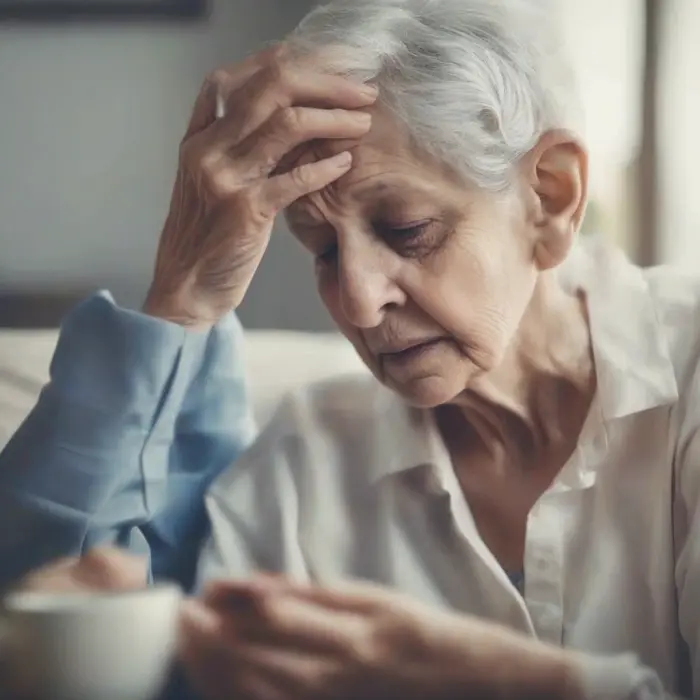
- Older adults: Thirst sensation may be reduced. Set regular drinking times and keep water visible and easy to access.
- Children: Offer water regularly; make it fun with colorful bottles and fruit infusions. During play in heat, schedule drink breaks every 20–30 minutes.
- Pregnant or breastfeeding: Needs are higher; keep water handy and drink with each feed or snack.
- Chronic conditions/medications: Some medicines increase urination or alter fluid/salt balance (e.g., diuretics). If you have heart, kidney, or liver issues or take medications affecting fluids, ask your clinician for individualized guidance.
Exercise and Outdoor Work in the Heat
Hydration for activity should be personalized to your sweat rate, duration, and intensity.
- Before: Drink 300–600 ml (10–20 oz) of water in the 1–2 hours before starting.
- During: A general range is 0.4–0.8 liters per hour. In very hot/humid conditions or for heavy sweaters, lean toward the higher end and include electrolytes.
- After: Replace what you lost. A practical check is body weight: each 0.5 kg (1 lb) lost ≈ 450–700 ml (15–24 oz) fluid to replace over the next few hours, plus some sodium.
Acclimatize gradually over 1–2 weeks, increasing time in heat a bit each day. Schedule shaded breaks; use cooling towels; and monitor teammates or coworkers for signs of heat stress.
Alcohol, Caffeine, and Sugary Drinks
- Alcohol: Increases urine output and impairs judgment about heat exposure. Alternate each alcoholic drink with water and keep total intake modest, especially outdoors.
- Caffeine: Moderate amounts are generally fine for most people and count toward fluid intake, but avoid very high doses in the heat.
- Sugary drinks: Can delay stomach emptying and add unnecessary calories. If using sports drinks, consider lower-sugar options unless you need the carbohydrates for long-duration exercise.
Travel, Illness, and Oral Rehydration
Traveler’s diarrhea, foodborne illness, or fever quickly increases fluid needs. Sip fluids steadily; small, frequent sips are often easier to keep down than large gulps.
- Use safe, treated water; be cautious with ice in areas where water quality is uncertain.
- Use oral rehydration solutions during significant diarrhea or vomiting.
- Seek medical help if symptoms are severe, prolonged, or accompanied by confusion, fainting, or signs of heat stroke.
Warning Signs: When to Act
Common signs of mild to moderate dehydration:
- Thirst, dry mouth, headache
- Fatigue, irritability, dizziness or lightheadedness
- Dark yellow urine or infrequent urination
- Muscle cramps
Severe dehydration or heat stroke—seek urgent medical help:
- Confusion, fainting, or unresponsiveness
- Very hot, dry skin or profuse sweating that suddenly stops
- Rapid pulse, rapid breathing, severe weakness
- Inability to keep fluids down, or signs of shock
Common Myths vs. Facts
- Myth: Everyone must drink eight glasses of water per day. Fact: Needs vary; consider body size, diet, activity, and climate. Fruits, vegetables, and other beverages contribute to hydration.
- Myth: Caffeinated drinks don’t count. Fact: Moderate caffeine contributes to daily fluid intake for most people.
- Myth: Clear urine is the goal. Fact: Pale yellow is ideal. Completely clear urine may indicate overhydration for some.
- Myth: Only water matters. Fact: In prolonged heat or heavy sweat, electrolytes are essential to maintain balance.
Quick Checklist and Daily Plan
Before you head out:
- Fill a reusable bottle (or two) and pack electrolyte tablets if you’ll be active for over an hour.
- Wear light, breathable clothing and a hat; apply sunscreen.
- Plan shade and cooling breaks; schedule activity in cooler parts of the day.
Sample day on a hot summer schedule:
- Morning: 1 glass of water on waking; hydrating breakfast (yogurt + fruit)
- Mid-morning: Water or unsweetened iced tea; handful of salted nuts if you’re sweating
- Lunch: Water plus a salad with high-water veggies; piece of fruit
- Afternoon: Refill bottle; take a brief cooling break; consider an electrolyte drink if active
- Evening: Light dinner with vegetables; water or sparkling water with citrus
- Post-activity: Replace fluids and a bit of salt; cool shower if overheated
Listen to your body, watch the heat, and hydrate steadily. With a little planning, you can enjoy summer while keeping dehydration at bay.