


Quirky Facts About the History of Ancient Herbal Medicine
From beer-laced prescriptions and golden sickles to an herb so precious it may have been harvested to extinction, the ancient world’s plant-powered remedies were as imaginative as they were influential.
Clay tablets and papyrus formulas
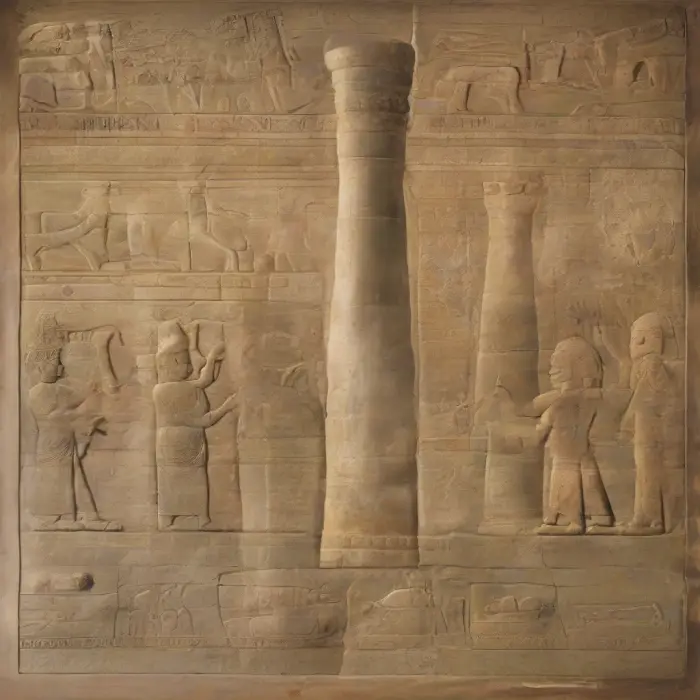
Some of the world’s earliest “pharmacopoeias” weren’t books at all—they were baked onto clay. In ancient Mesopotamia, cuneiform tablets cataloged plants, minerals, and animal products alongside instructions for preparing them. In Egypt, long rolls of papyrus preserved hundreds of recipes and practical tips used by healers for centuries.
- The Ebers Papyrus (c. 1550 BCE) lists hundreds of plant-based remedies, including garlic, juniper, aloe, and willow—whose bark contains salicin, a chemical cousin of modern aspirin.
- Ancient scribes didn’t just write ingredients; they wrote methods: pounding, macerating, boiling, and straining—techniques familiar to any modern herbalist.
- One of history’s earliest named chemists, Tapputi (Babylonia, late 2nd millennium BCE), used solvent extraction and distillation to craft aromatic preparations from herbs and resins. Her perfumes doubled as medicinal balms in many households.
Incantations, ale, and early apothecaries
In the ancient Near East, the line between pharmacy and ritual was porous. Healers often paired botanical salves with spoken charms, covering the spiritual and the practical in one visit.
- Babylonian and Assyrian prescriptions frequently used beer and wine as solvents, not just for flavor—alcohol extracts certain plant compounds and improves shelf life.
- Some tablets pair remedies with incantations, a reminder that medicine addressed body and belief together.
Egyptian oddities that actually worked
Egyptian healers combined keen observation with ingredients at hand—sometimes far ahead of their time, sometimes eyebrow-raising.
- Honey dressings were staples for wounds. Honey’s low water activity and natural enzymes make it inhospitable to many microbes—an ancient remedy with modern lab support.
- Textual instructions describe moldy bread applied to wounds. Whether by accident or intent, certain molds produce antibiotic substances—centuries before penicillin.
- Egyptian papyri record a pregnancy test using barley and emmer wheat moistened with urine; rapid sprouting predicted pregnancy. Modern tests have echoed that hormones can affect germination rates.
- During mummification, the dead were anointed with medicinal resins like frankincense and myrrh—antimicrobial aromatics that also perfumed the air.
The Silk Road spice cabinet
Trade routes stitched herbal knowledge to global appetites.
- Peppercorns from India have been found in Egyptian burials, a fragrant clue to long-distance trade and to pepper’s use as both seasoning and medicinal warmer of the stomach.
- Gums, resins, and bark—like cinnamon, cassia, frankincense, and myrrh—traveled by caravan and ship, prized for digestive, antiseptic, and aromatic qualities.
Greeks, Romans, and the great herb books
Greek and Roman writers preserved, debated, and expanded the herb lore they inherited—sometimes in gloriously quirky ways.
- Hippocratic texts discuss willow for pain and fever, ficus latex for warts, and dietetic herbs to “rebalance” humors.
- Theophrastus cataloged plant forms and uses, while Dioscorides’ De Materia Medica (1st century CE) became the Mediterranean’s reference book on medicinal plants for over a millennium.
- Rome loved a grand antidote: Mithridates VI reportedly experimented with micro-doses of poisons and concocted a famous polyherbal antidote. Its descendant, theriac, mixed dozens of ingredients—often including opium and even viper flesh—and remained in use well into early modern times.
- The most famous “lost herb” of antiquity was silphium, a plant from Cyrenaica celebrated as spice, remedy, and likely contraceptive. Ancient writers claimed it was harvested to extinction, and its exact identity remains a botanical mystery.
- Cato the Elder extolled cabbage as a near-universal cure—proof that superfood hype is at least two thousand years old.
South Asia’s six tastes and wine as anesthesia
Ayurvedic medicine, rooted in texts like the Charaka Saṁhitā and Suśruta Saṁhitā, classified herbs by taste, energy, and post-digestive effect—and paired them with meticulous clinical observation.
- Herbs were grouped by six tastes—sweet, sour, salty, pungent, bitter, astringent—each thought to nudge the body’s balance in specific directions.
- The surgical classic Suśruta Saṁhitā recommended wine as a sedative during procedures—an early nod to pharmacological anesthesia.
- Kitchen spices doubled as pharmacy: turmeric pastes for skin and wound care, ginger for digestion, and amla for tonics appear throughout the tradition.
East Asia’s tasting emperor and smoke therapy
Chinese herbal traditions braid myth, empiricism, and meticulous record-keeping.
- Legend says the culture hero Shennong “tasted a hundred herbs,” at times suffering multiple poisonings in a single day. The classic Shennong Bencao Jing later organized materia medica into categories of safety and potency.
- Moxibustion—burning dried Artemisia (mugwort) near the skin—joined needles and decoctions as a mainstay of therapy.
- A 4th‑century text by Ge Hong recommends extracting juice from fresh Artemisia annua for intermittent fevers, a line that—many centuries later—inspired the isolation of artemisinin.
Druids, mistletoe, and moonlit botany
Classical authors loved to report on Celtic ritual. Pliny the Elder famously described Druids harvesting mistletoe with golden sickles under auspicious moons, then mixing it into remedies. Whether every detail is literal or literary flourish, the plant itself held genuine medicinal and symbolic value across northern Europe.
A medieval-sounding antibiotic in ancient Nubia
Analyses of Nubian human remains from late antiquity revealed tetracycline residues—an antibiotic produced by soil bacteria. The likeliest source? Beer brewed with grain contaminated by Streptomyces, suggesting a fermented foodway that unintentionally (or perhaps knowingly) delivered antimicrobial benefits.
Ancient Americas: cacao, coca, and cool-headed remedies
Pre‑Columbian medical traditions were rich in botanicals adapted to local ecologies.
- In Mesoamerica, cacao—the ancestor of chocolate—was prepared as a bitter, spiced drink for ritual, stamina, and digestive support.
- In the Andes, people chewed coca leaves to ease altitude discomfort and fatigue; topical applications helped with pain and sores.
Risky remedies and poison-as-medicine
Ancient pharmacology understood a hard truth: dose and preparation matter. Healers sometimes used dangerous plants in minuscule, carefully handled forms.
- Aconite (monkshood) appears in both Chinese and Indian texts—only after specific processing to attenuate toxicity.
- Opium poppy was recognized as a potent analgesic; authors repeatedly warned about strength and dosage.
- Across many cultures, people associated plant colors and shapes with bodily organs—a folk logic later codified (much later) as the “doctrine of signatures.” It made for memorable mnemonics, even when biology disagreed.
A legacy that still flavors medicine
Modern pharmacology didn’t spring from nowhere. Aspirin’s ancestor hides in willow bark; antimalarials trace to Artemisia; poppy yields morphine; foxglove gave digitalis. The ancients refined techniques we still use—infusions, decoctions, distillations—while global trade stitched together a planetary pharmacopeia.
It’s also a story of cultural exchange: scribes copying plant lists in scriptoriums, merchants bartering resins in desert caravans, physicians annotating margins with what worked and what didn’t. Along the way, they left us a treasury of practical know‑how, tall tales, and—best of all—curiosities that make the history of medicine feel wonderfully human.