


Creative Ways to Encourage Healthy Eating in Kids
Make nutrition fun, low-pressure, and doable—at home, at school, and on the go.
Start with the Right Mindset
Kids learn to enjoy nourishing foods when eating feels safe, fun, and predictable. Instead of short-term “eat your veggies” wins, think about building lifelong skills: curiosity, confidence, and competence with food.
- Parents provide; kids decide. You choose the what/when/where; they choose whether and how much to eat.
- Exposure over pressure. A no-thank-you bite isn’t required. Seeing, touching, smelling, and helping all count as progress.
- Routine and rhythm. Predictable meals and snacks prevent grazing and help kids arrive hungry—but not ravenous.
- Modeling matters. Let them see you enjoying colorful foods and talking positively about taste, not weight.
Goal: many friendly, low-stakes food encounters—at the table, in the kitchen, in the garden, and at the store.
Make Healthy Eating Playful and Hands-On
1) Food Art and “Edible Landscapes”
Turn a plate into a canvas: cucumber wheels, bell-pepper rainbows, blueberry “planets,” hummus “glue.” Kids who build it are more likely to taste it.
- Theme nights: build a garden scene, create breakfast faces, or make “sushi” with fruit and nut/seed butter.
- Use small cutters for fun shapes from melon, cheese, or whole-grain tortillas.
2) Kitchen Helpers (by Age)
Ownership boosts interest. Offer real jobs:
- Toddlers: tear lettuce, rinse berries, stir yogurt.
- Preschoolers: mash beans, slice soft foods with a child-safe knife, scoop batter.
- School-age: measure, crack eggs, sauté with supervision, read simple recipes.
3) Mini Taste Tests
Compare two apples, three dips, or roasted vs. raw carrots. Let kids vote with stickers or tally marks.
- Use words beyond “yummy”: crunchy, juicy, tangy, mild, grassy, sweet, toasty.
- Offer water and neutral bites (plain crackers) between tastes.
4) Build-Your-Own Bars
Autonomy without chaos. Put out nutrient-rich bases and colorful add-ons:
- Oatmeal bar: cinnamon, chopped nuts/seeds, diced fruit, yogurt swirl.
- Taco bowls: beans, brown rice, tomatoes, corn, avocado, cheese, salsa.
- Snack boards: whole-grain crackers, veggies, fruit, hummus, turkey roll-ups.
5) Grow Something (Anything!)
Sprout jar, countertop herbs, or a small garden bed. Kids who nurture plants often taste the harvest.
6) Food + Science
Turn learning into trying:
- Color shift: red cabbage “pH paint” over roasted potatoes or eggs.
- Texture lab: roast vs. steam broccoli; which gets more “crunch points”?
Use Flavor Bridges, Dips, and Texture Tweaks
Kids often accept new foods that echo familiar flavors or textures.
- Dips: hummus, yogurt ranch, bean dip, guacamole, marinara, pesto, peanut/almond/soy butter, tzatziki.
- Bridges: dust veggies with parmesan, drizzle honey-yogurt on fruit, top grains with a favorite salsa.
- Texture counts: offer the same veg multiple ways: carrot coins, sticks, roasted coins, shredded in pancakes or slaws.
- Gradual mixing: half white/half brown rice; blend cauliflower into mashed potatoes; add lentils to taco meat.
Try the “two-ways rule”: serve one comfort food plus one exploration food. No pressure to eat the new item—just a friendly appearance on the plate.
Set Up Smart Environments and Predictable Systems
- Snack station: Pre-portion fruit, veggie sticks, cheese, roasted chickpeas, and whole-grain muffins on a reachable shelf.
- Family-style serving: Bowls on the table let kids choose amounts. It normalizes passing and pausing.
- Screen-free meals: Help kids notice hunger/fullness cues and enjoy conversation.
- Fun plates, small portions: Tiny scoops feel safe; seconds are welcome.
- Routine: Aim for 3 meals + 1–2 snacks. Offer water between; milk with meals; limit sip-all-day grazing.
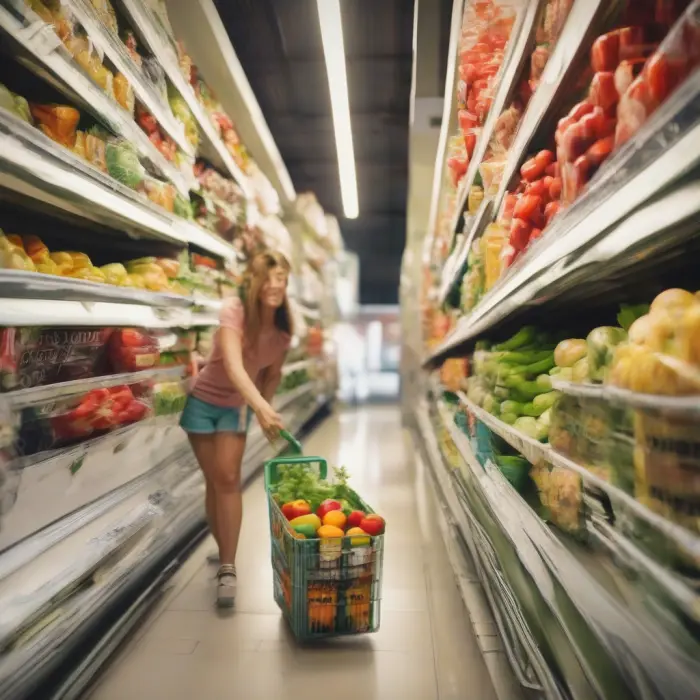
Turn Shopping and Planning into a Game
- Rainbow challenge: Pick 1–2 new colors each week. Let kids choose the produce that matches.
- Budget mission: Compare unit prices and choose one “best value” veggie or bean.
- Label detectives: Find cereals with whole grain as the first ingredient and lower sugar.
- Theme nights: “Green Night,” “Around the World,” “Breakfast for Dinner.” Invite a kid as guest DJ for the menu.
Printable idea: Taste Explorer Passport
Create a simple chart with columns: Food, Senses Used (see/smell/touch/taste), Notes, Sticker. The win is trying, not finishing.
School Lunches and Social Events
- Bento-style boxes: Pack small portions of 4–5 items for variety without overwhelm.
- Keep it cold: Use an ice pack and insulated bag; include a cold, drinkable yogurt or milk as a “cooling brick.”
- Party plates: Bring a colorful fruit/veggie tray with a fun dip so there’s always a kid-friendly option.
- Allergy-aware swaps: Use seed butters or hummus in nut-free spaces; always check school guidelines.
Encouragement That Works (Without Pressure)
- Celebrate curiosity: “You noticed the broccoli is bumpy!” beats “Just try it.”
- Non-food rewards: Stickers, extra story time, choosing a board game.
- Process praise: “You helped chop peppers; that made dinner faster.”
- Scripts:
- Child: “I don’t like it.”
- Adult: “That’s okay. You don’t have to eat it. Would you like it on a ‘learning plate’ to explore?”
Skip bribes like “one bite for dessert.” It can make new foods feel like chores and dessert feel like the prize. Instead, serve small, routine desserts or fruit some nights regardless of bites taken.
For Picky Eaters and Special Considerations
- Sensory-friendly options: Offer predictable textures (smooth soups, crunchy raw veg) and separate components.
- Slow steps: Move from looking → touching → licking → nibbling across weeks, not days.
- Respect culture and comfort: Fold in family favorites and familiar seasonings.
- Allergies/intolerances: Keep safe substitutes on hand; involve kids in safe-swap decisions.
- When to get help: If your child eats very few foods, avoids entire textures, or eating causes distress or weight issues, consider consulting a pediatrician or a pediatric dietitian/feeding therapist.
Quick, Kid-Approved Ideas
Rainbow Yogurt Parfaits
- Layer plain or lightly sweetened yogurt with diced fruit in different colors.
- Add a sprinkle of granola or crushed whole-grain cereal and a drizzle of honey for older kids.
Veggie Pizza Toast
- Top whole-grain toast with marinara, shredded mozzarella, and chopped peppers/mushrooms.
- Broil 2–3 minutes until bubbly; serve with carrot sticks and ranch-yogurt dip.
Crunchy Chickpea Snack
- Toss canned chickpeas with olive oil, garlic powder, and paprika.
- Roast at 400°F/200°C for 20–30 minutes, shaking once.
Build-Your-Own Smoothies
- Base: milk or fortified plant milk + yogurt.
- Add: frozen banana, berries, spinach or cauliflower rice.
- Boost: peanut/seed butter, oats, cocoa powder, cinnamon.
Sample Dinner Ideas for One Week
| Day | Main | Sides | Optional Dip/Sauce |
|---|---|---|---|
| Mon | Turkey-bean tacos | Corn, diced tomatoes, avocado, brown rice | Salsa, plain yogurt “sour cream” |
| Tue | Baked salmon or tofu | Roasted potatoes, green beans | Lemon yogurt-dill |
| Wed | Stir-fry chicken/edamame | Bell peppers, snap peas, brown rice | Teriyaki (lower-sugar) |
| Thu | Whole-wheat pasta | Tomato sauce with lentils, side salad | Parmesan, olive oil drizzle |
| Fri | DIY mini pizzas | Veggie toppings bar | Marinara, pesto |
| Sat | Breakfast-for-dinner omelets | Roasted sweet potatoes, fruit salad | Salsa |
| Sun | Soup and sandwiches | Tomato or lentil soup, veggie sticks | Hummus |
Time-Savers and Budget Boosters
- Pre-cut veggies on one day; store with a damp paper towel for crunch.
- Cook once, serve twice: roast extra chicken, beans, or veggies for wraps and bowls.
- Frozen produce is your friend—nutritious, budget-friendly, and quick.
- Make “mix-and-match” snack bags: popcorn + roasted chickpeas + pretzels; add fruit on the side.
Pantry Staples List
- Canned beans, tuna/salmon, tomatoes
- Whole grains: oats, brown rice, quinoa, whole-wheat pasta
- Nuts/seeds or seed butter; trail mix
- Spices: cinnamon, garlic powder, paprika, Italian blend
- Frozen fruit/veg for fast smoothies and sides
Troubleshooting Common Hurdles
“They only want beige foods.”
Offer beige plus one color at each meal: chicken + carrots; pasta + peas. Try crunchy veggies, gentle dips, and keep portions tiny.
“They refuse dinner.”
Stay calm. Offer a consistent, simple bedtime snack (e.g., banana + milk). Avoid remaking meals or short-order cooking; routine builds appetite and trust.
“Vegetables are a battle.”
Serve them first as a “snack starter” when kids are hungriest, like cucumber cups with hummus, while the main meal finishes cooking.
“Dessert dominates.”
Sometimes serve a small sweet alongside the meal. It reduces pedestal power and teaches balance.