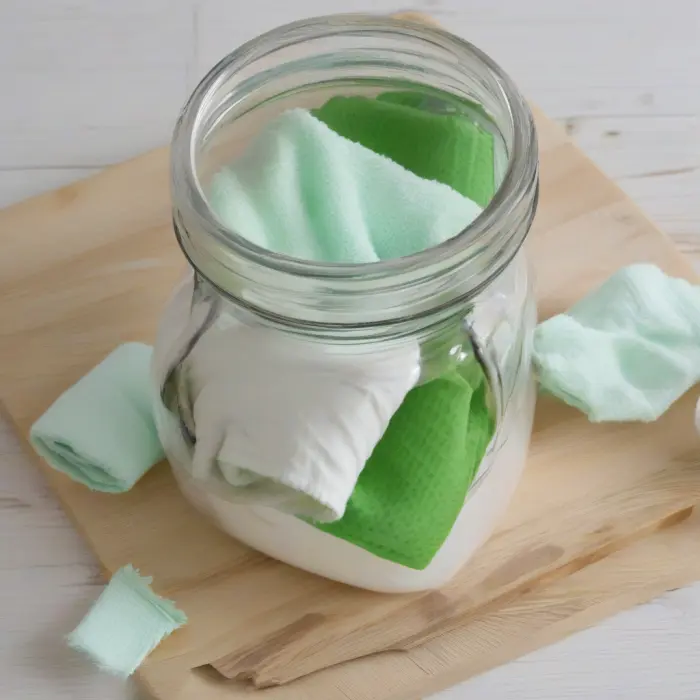
A small supply of washable cloths can make everyday cleaning easier to organise. The useful idea is reuse, not the assumption that a homemade or “natural” liquid is automatically safe or effective. For routine cleaning, CDC and Washington State health guidance emphasise suitable soap or detergent, water and physical wiping or scrubbing.
Prepare a dry cloth kit
Choose clean cotton or microfiber cloths suitable for the surface you want to clean. Keep the clean, dry cloths together in a clean container or drawer. Select a soap or detergent appropriate for that surface and read its directions. A fragrance-free and dye-free option follows Washington State’s advice on choosing cleaners; added essential oils are not needed for this routine.
Clean at the time of use
Take a clean cloth and use water and the appropriate cleaner according to the product and surface instructions. Wipe away dirt, and scrub where the material allows. Follow any rinsing instructions. For electronics and other sensitive items, follow the manufacturer’s cleaning advice rather than applying a general household method. Do not combine cleaning products or add extra chemicals to a mixture.
Wash, dry and separate
Put used cloths aside for laundering rather than returning them to the clean supply. Wash with detergent at the recommended water temperature and dry completely before storage. Wash your hands after handling dirty laundry. This dry-kit approach avoids making a claim about how long homemade, pre-soaked wipes can safely be stored; it is not a preservation recipe.
Know when cleaning is not enough
Cleaning removes dirt and germs; disinfection is a different process. CDC recommends additional disinfection when someone is sick or at higher risk because of a weakened immune system. If disinfection is needed, clean first and use an appropriate registered disinfectant according to its label, including the required wet contact time. Homemade scented wipes are not a substitute for those instructions.
Keep cleaning chemicals away from children and pets, and provide ventilation and protective equipment when the label calls for them. Reusing cloths does not establish a particular saving or environmental benefit without considering laundering and use. The cover is a general illustration of cloths in a jar, not proof of a tested formula or safe storage method.


Discussion