
Organization Hacks for Tidying Up Kids' Playrooms
Turn chaos into calm with smart zones, kid-proof storage, and simple habits that keep toys in check without stealing the fun.
1) Start With a Simple Plan and Clearly Marked Zones
Kids tidy faster when everything has a “home.” Divide the room into activity zones and make the boundaries obvious.
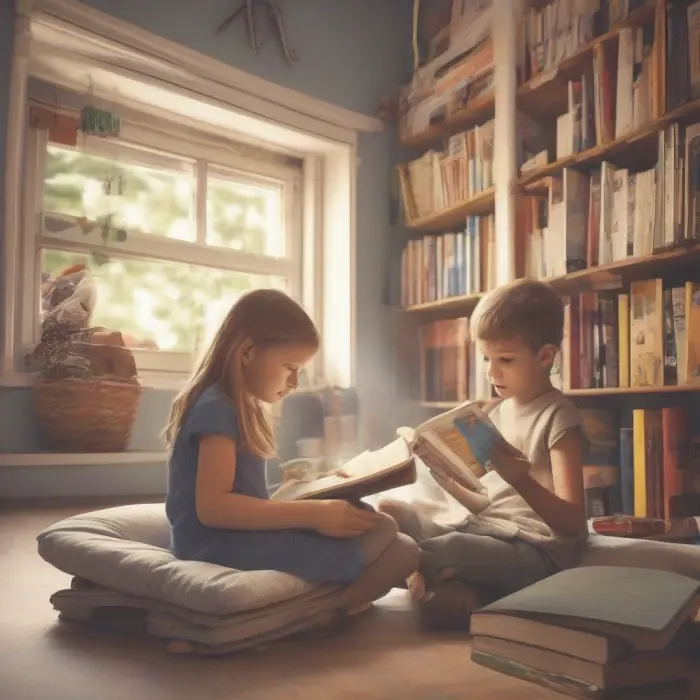
- Reading Nook: Soft rug, small bookshelf, floor lamp, two cushions.
- Building Zone: Low table, tray for works-in-progress, shallow bins for blocks/LEGO.
- Imagination/Play Kitchen: Hooks for aprons, bin for food toys, mini shelf for dishes.
- Art + Craft: Wipeable mat, rolling cart, wall display clips.
- Music/Movement: Basket for instruments, clear floor space, mirror if possible.
Use rugs, tape lines, or furniture placement to make zones visually distinct. Fewer, larger zones beat many tiny ones.
2) Storage Fundamentals That Make Tidying Automatic
- Low Open Shelves: Keep storage at kid height (prefer 12–15 in/30–38 cm deep). Anchor tall units.
- Consistent Container Sizes: Matching bins stack and line up neatly; aim for 2–3 sizes max.
- Clear or Photo-Labeled Bins: Let kids “see” the category. Clear bins reduce guesswork.
- Lids: Use Sparingly: Lids are great for messy items (slime/paint), but slow cleanup for everyday toys.
- One Category per Bin: “Cars,” “Animals,” “Dolls,” not “Random Small Toys.” If it doesn’t fit, it’s time to edit.
- Heavy Low, Light High: Wooden blocks on the bottom shelf; plush and dress-up higher up.
- Pull-Out Helpers: Rolling carts, under-bed drawers, and shallow trays for easy access.
3) Labels That Kids Actually Use
Great labels are visual, durable, and simple.
- Pre-Readers: Picture labels (printed icons or photos of the actual toys) + color band.
- Early Readers: Picture + word (e.g., “Cars”). Use big, high-contrast fonts.
- Readers: Words + category emoji (🚗 Cars, 🧩 Puzzles) to speed scanning.
- Attachment Methods: Velcro-backed tags, zip-tied laminated cards, magnetic label holders, or chalkboard stickers.
- Update-Friendly: Dry-erase label sleeves so categories can evolve without reprinting.
Smart label hack
Add a small QR code that links to a photo of the bin’s ideal contents. Snap an updated picture after each reset.
4) Master Toy Rotation to Reduce Clutter
Keep 25–40% of toys out and the rest stored to rotate. Fewer choices = deeper play and easier cleanups.
- Set: 4–6 rotation bins stored in a closet or high shelf.
- Cadence: Swap 1–2 bins weekly or biweekly; refresh before weekends or holidays.
- Balance: Keep at least one open-ended toy (blocks), one fine-motor (puzzles), one pretend set, and a book basket available.
- Works-in-Progress: Use labeled trays so projects survive rotations.
5) Use Vertical Space Without Sacrificing Safety
- Wall Rails: Forward-facing book ledges triple visible book capacity.
- Pegboards: Hang baskets for art supplies, play tools, or doll accessories.
- Over-the-Door Organizers: Store small figures, cars, hair accessories, or craft bits by pocket.
- Hooks: Capes, bags, headphones—add name tags for ownership.
- Hammocks/Nets: Contain plush animals high and off the floor.
Always anchor shelving and keep climbing temptations away from windows.
6) Category-Specific Storage Hacks
Blocks and LEGO
- Use shallow, wide bins so pieces don’t bury. Add a build mat or baseplate tray.
- Sort by type (bricks vs. specialty) for younger kids; by color for older builders who request it.
- WIP trays labeled with names keep in-progress builds safe.
- Under-bed rolling boxes are great for large sets; label the outside with a picture of the set.
Puzzles and Board Games
- Zip bags inside boxes to corral pieces; or ditch boxes for sturdy zipper pouches with a cover image.
- Store vertically like books to save space; add a “missing pieces” jar for strays.
Stuffed Animals
- Limit with a “zoo” hammock or a beanbag cover that stores plush inside (doubles as seating).
- Rotate seasonally; keep sentimental plush separate in a labeled bin.
Dress-Up and Pretend Play
- Low coat rack or adhesive hooks; soft bin for accessories; hat shelf up high.
- Clear garment bag for sets (doctor, firefighter) with a photo label.
Art and Craft Supplies
- Three-tier rolling cart: top for daily use (markers, crayons), middle for paper/glue, bottom for paint.
- Portfolios or large envelopes for flat art; display wire with clips for rotation.
- Apron + table cover hung nearby; labeled caddy for easy table-to-shelf moves.
Books
- Face-out shelves encourage reading. Keep a small, rotating selection accessible; store extras in a closet bin.
- Color bands or spine labels by theme (Animals, Bedtime, Numbers) help kids re-shelve.
Vehicles, Figures, and Small Parts
- Tackle boxes or bead organizers with latch lids; label each compartment.
- Door shoe pockets for Hot Wheels or action figures; one pocket per type.
- Magnetic strips (covered/child-safe) for metal cars—visual and tidy.
Sports and Big Toys
- Ball corral with bungee cords; floor bin for helmets; hooks for bats/jump ropes.
- Keep wheeled toys in a low-traffic corner; parking tape boxes on the floor add fun.
7) Smart Solutions for Small or Shared Spaces
- Furniture with Hidden Storage: Benches, ottomans, or tables with drawers.
- Under-Furniture Real Estate: Low-profile rolling bins under sofas/beds.
- Foldable Play: Pop-up tents, foldable mats, and stackable stools.
- Closet Conversion: Add a low shelf + rod and turn it into a dress-up nook.
- Daily Reset Crate: One lidded crate gathers items that belong elsewhere; empty it nightly.
8) Routines and Games That Make Tidy Time Stick
- 15-Minute Reset: Set a timer; everyone returns items to labeled homes. Start the same time daily.
- Show-One, Stow-One: Before a new activity, put away the last bin. Model it consistently.
- Color Clean-Up: Call a color (“Find all blue things!”) or category (“All animals to their bin!”).
- End-Cap Songs: A 2–3 minute tidy-up song cues closure; keep the playlist short and familiar.
- Job Cards: Simple picture cards: “Books,” “Blocks,” “Cars.” Kids pick one to own.
- Reward the Process: Sticker or check for participating, not perfection.
9) Decluttering Without Drama
- Capacity Limits: One bin per category. If it’s full, choose what stays.
- Season + Age Check: Quarterly scan: outgrown, duplicates, broken, missing pieces.
- “Maybe” Box: Store uncertain items for 30–60 days. If no one asks, donate.
- Pre-Holiday Edit: Make space before birthdays/holidays; involve kids in choosing donations.
- Keep-Sake Strategy: Memory bin per child; label with age and date. Photograph 3D art before letting go.
10) Safety and Durability First
- Anchor Furniture: Anti-tip straps on shelves and dressers; avoid placing climbable units near windows.
- Choking Hazards: Separate small-parts bins up high; use a “little parts” symbol label.
- Soft Landing Zones: Rugs and foam mats dampen noise and protect floors.
- Cord Control: Cordless blinds; cable clips for lamps; outlet covers.
- Washable Materials: Prefer machine-washable covers and wipeable surfaces.
11) Cleaning and Hygiene Made Easy
- Sanitize Routine: Weekly wipe high-touch plastic toys; monthly wash plush in mesh bags on gentle.
- Handy Kit: Caddy with wipes, microfiber cloths, mini vacuum; store out of reach but nearby.
- Contain Mess: Paint and slime only at the art station; use a tray and apron.
- Dust Control: Lidded bins for seldom-used items; vacuum under low shelves monthly.
12) Budget-Friendly and Upcycle Ideas
- Upcycle Jars and Cans: Smooth sharp edges; perfect for crayons and brushes.
- Shoe Boxes: Wrap in contact paper; add picture labels for puzzles or card games.
- Hanging Files: Use a desktop file box for coloring books and sticker sheets.
- Crates and Baskets: Wooden crates stacked as shelves; thrifted baskets for plush.
- Big Saver: Invest once in a sturdy shelf (e.g., cube unit) and standard-size bins—mix cheap and splurge bins as needed.
13) 60-Minute Quick-Start Checklist
- Clear the floor into a “sort pile.”
- Make 5 signs: Blocks, Vehicles, Figures/Animals, Dolls/Dress-Up, Art.
- Sort fast; don’t overthink.
- Pick containers for each category (even bags/boxes work temporarily).
- Label with a picture + word.
- Assign shelf space (heavy low, light high).
- Create one tidy “win” zone (reading nook) so success is visible.
- Set a daily 10-minute reset timer and celebrate the first week.
14) Sample Playroom Layout (10 ft × 12 ft / 3 m × 3.6 m)
- Long Wall A: 2 low cube shelves (anchored) with 8–12 bins; building table centered.
- Corner 1: Reading nook with rug, lamp, face-out shelves.
- Short Wall B: Play kitchen + 2 hooks for aprons; bin for food toys.
- Corner 2: Art cart, wipeable mat, clip display wire above.
- Door: Over-the-door organizer for small cars/figures.
- Closet: Top shelf for rotation bins; middle for board games; floor for plush hamper.
15) Simple Maintenance Calendar
- Daily (10–15 min): Reset by zone; floor clear; bins closed.
- Weekly (30 min): Rotate 1–2 bins; wipe shelves; vacuum mats.
- Monthly (45–60 min): Category audit; mend/repair; launder plush.
- Quarterly (1–2 hrs): Declutter, deep clean, update labels, refresh art display.
- Pre-Holiday/Birthday (1 hr): Edit to create space; involve kids in donations.