

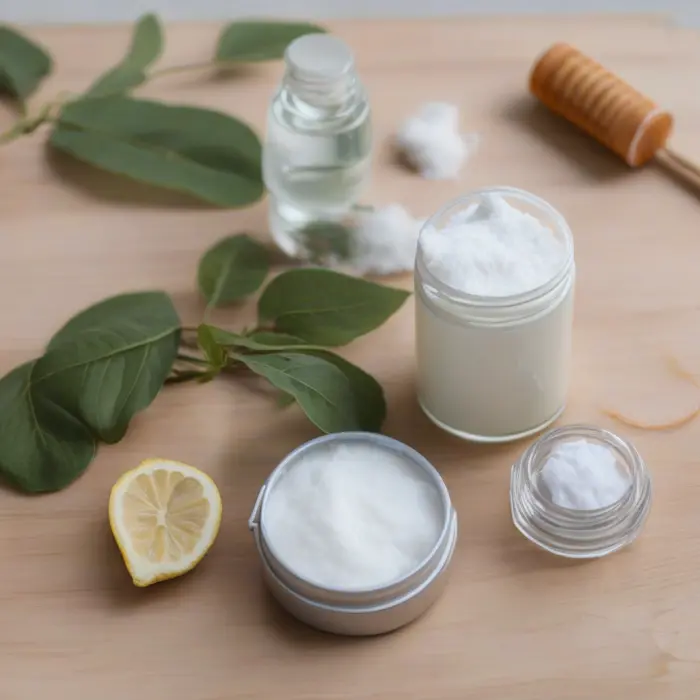

Fastest odor neutralizers (under 5 minutes)
- Ventilate immediately: Open a window and run the range hood or a fan facing out. Air exchange is the quickest fix for lingering frying or fish smells.
- Lemon steam for the microwave: Microwave a bowl of water with lemon slices (or 2 tbsp lemon juice) for 2–3 minutes. Let sit 1 minute, then wipe. Neutralizes stale and burnt smells.
- Trash triage: Tie and remove the trash/compost. Sprinkle 2–3 tbsp baking soda into the empty can and on the new liner bottom.
- Drain refresh: Sprinkle 1/2 cup baking soda into the sink drain or disposal. After 5 minutes, flush with very hot water. Wipe the rubber splash guard underside (a common hidden source).
- Surface wipe-down: Wipe counters, stovetop, and the backsplash with a 1:1 vinegar–water mix to cut grease films that hold odors. Dry after.
- Passive odor absorbers: Set out a shallow bowl of baking soda, activated charcoal, or dry coffee grounds to absorb smells from the air.
Source-specific quick fixes
Trash and compost bins
- Remove the bag promptly. Rinse the can with hot soapy water. For a fast sanitize, use 1 tablespoon unscented bleach per gallon of water, rinse, and air dry. Never mix bleach with ammonia or vinegar.
- Before inserting a new bag, sprinkle 1–2 tbsp baking soda in the can or place a charcoal deodorizer disk at the bottom.
- For compost caddies, add a handful of dry “browns” (shredded paper, cardboard, or dried leaves) to balance wet scraps. Rinse the caddy daily; leave the lid open to fully dry.
- Freeze meat/fish scraps until trash day to prevent putrid odors.
Sink, drains, and garbage disposal
- Disposal clean: Run cold water; drop in a tray of ice cubes and 2 tbsp coarse salt; run the disposal 30–45 seconds to scour. Finish with a few lemon or orange peels for a fresh scent.
- Rubber splash guard: Flip it up and scrub the underside with hot soapy water or a toothbrush. This is one of the smelliest hidden spots.
- Non-disposal drains: Pour 1/2 cup baking soda, wait 5–10 minutes, then flush with very hot water. For buildup, follow later with an enzyme-based drain cleaner as directed.
- Dry P-trap? If a rarely used sink smells “sewer-y,” run water for 10 seconds, then add a teaspoon of mineral oil to slow evaporation.
Dishwasher
- Remove and clean the filter and catch basin. Food sludge here causes strong odors.
- Run the hottest cycle with a cup of white vinegar on the top rack. After, sprinkle 1/4 cup baking soda on the tub floor and run a short hot rinse.
- Leave the door slightly ajar after cycles to dry and prevent mustiness.
Fridge and freezer
- Toss expired items. Wipe shelves and bins with 1:1 vinegar–water (avoid vinegar on natural stone trims; use mild soap there).
- Place an open box of baking soda or a bowl of activated charcoal on a shelf; replace monthly.
- Check and clean the drip pan (if present) and door gaskets (use mild soapy water).
- Keep temps at 37–40°F (3–4°C) for the fridge, 0°F (−18°C) for the freezer to slow bacterial growth.
Microwave
- Heat 1 cup water with lemon slices or 1 tbsp vinegar for 2–3 minutes. Let steam soften residue, then wipe dry.
- Leave the door open a few minutes to air out.
Oven and stovetop
- Scrape and remove charred bits. While the oven is warm (off), place a small oven-safe bowl with 1/2 cup vinegar for 30 minutes; then wipe the cavity.
- Degrease burner grates and stove surfaces with hot soapy water or a degreaser. Clean gas burner caps and igniters to prevent burnt fuel smells.
- Wash or replace the range hood filter; grease-saturated filters recirculate odor.
Cutting boards, cloths, and sponges
- Wood boards: Sprinkle coarse salt, scrub with half a lemon, wait 5 minutes, then rinse and dry upright.
- Plastic boards: Wash hot and consider a diluted bleach sanitize (1 tbsp/gallon), rinse well.
- Sponges: Replace frequently. If refreshing, run through the dishwasher on a hot, dry cycle. If microwaving, ensure the sponge is very wet, heat 1–2 minutes, and monitor closely. Never microwave metallic scrubbers.
- Wash dishcloths and towels with hot water; add 1/2 cup baking soda to the wash or 1/2 cup vinegar to the rinse to combat odors.
Air and fabrics
- Hang kitchen textiles to fully dry between uses; damp fabric traps odors.
- Launder curtains, table linens, and washable rugs periodically with baking soda boost.
- Set out a simmer pot (see below) after cooking especially pungent dishes.
Natural deodorizers that actually work
- Activated charcoal or zeolite: Powerful adsorbers for air, fridges, and cabinets. Recharge charcoal bags in the sun monthly.
- Baking soda: Great for fridges, trash cans, and drains. Replace monthly; it loses potency over time.
- Vinegar (white): Neutralizes alkaline, fishy, and smoky odors and cuts grease films. Don’t use on natural stone.
- Lemon and citrus oils: Pleasant scent and light degreasing. Test on finishes; some essential oils can affect certain plastics/finishes.
Tip: Use baking soda and vinegar in sequence, not mixed together in the same step. They neutralize each other; the fizz is brief and mostly mechanical.
Prevention habits that keep smells away
- Run the range hood from the moment you start cooking; keep lids on when possible.
- Wipe grease-prone areas nightly; a thin grease film holds odors.
- Empty trash and compost daily; freeze smelly scraps.
- Rinse dishes and strain the sink to keep food out of the drain. li>
- Clean the dishwasher filter weekly and the range hood filter monthly.
- Keep little-used drains wet by running water weekly to maintain the P-trap seal.
Troubleshooting unusual or persistent odors
- Rotten egg/sulfur (possible gas): If you suspect a natural gas leak, leave the area immediately and contact your gas utility. Do not use switches or flames.
- Sewer smell: Often a dry P-trap in a floor drain or rarely used sink. Refill with water; add a teaspoon of mineral oil to slow evaporation. Check for leaks under the sink.
- Fishy/electrical smell: Could be overheating wiring or an appliance issue. Turn off the suspect circuit/appliance and call an electrician.
- Musty/moldy: Look under the sink, behind the dishwasher, and around the fridge drip pan for leaks. Clean visible mold on nonporous surfaces with 3% hydrogen peroxide or an EPA-registered cleaner; dry completely and fix the moisture source.
- Dead-animal smell: Rarely, rodents in wall/hood vents. Inspect and consider professional removal if suspected.
Tiny routines to keep odors in check
2-minute daily reset
- Open a window; run the hood for 2–3 minutes.
- Wipe the stovetop and counters where you cooked.
- Empty the sink strainer; sprinkle baking soda in the drain and rinse.
10-minute weekly freshen
- Clean the dishwasher filter and run a hot vinegar cycle.
- Degrease the hood filter if washable, or replace if disposable.
- Spot-clean the trash can and compost caddy; refresh deodorizer.
Monthly maintenance
- Pull out the fridge drip pan and clean it.
- Sanitize cutting boards; replace sponges and worn dishcloths.
- Recharge or replace charcoal/baking soda absorbers.
Safety and surface compatibility notes
- Never mix bleach with ammonia, vinegar, or acids; it creates toxic gases. Ventilate when using strong cleaners.
- Test cleaners on a hidden spot first. Avoid vinegar, lemon, and acidic sprays on marble, limestone, and some granite—use pH-neutral stone cleaner instead.
- Check appliance manuals for cleaning recommendations to protect finishes and seals.
- Keep essential oils away from birds and use cautiously around pets; some are toxic.
- If microwaving a sponge, ensure it is wet and non-metallic; monitor to prevent fire. When in doubt, replace the sponge.
Simple DIY deodorizing recipes
Simmer pot to refresh the air
Add to a small pot: 2 cups water, peels from 1 lemon or orange, 1 cinnamon stick or 4 cloves. Simmer on low for 15–20 minutes, top up water as needed. Use the range hood for ventilation.
All-purpose degreasing wipe
Mix 1 cup warm water + 1 cup white vinegar + 1 tsp mild dish soap in a spray bottle. Spray on non-stone surfaces; wipe and dry.
Fridge deodorizer
Fill a small open container with baking soda or activated charcoal. Replace monthly. For strong odors, add fresh coffee grounds to a dish for 24–48 hours.
Drain refresher (sequential)
- Pour 1/2 cup baking soda into the drain; wait 10 minutes.
- Flush with a full kettle of hot (not boiling for PVC) water.
- Optional later step: use an enzyme drain cleaner overnight per label to digest organic buildup.