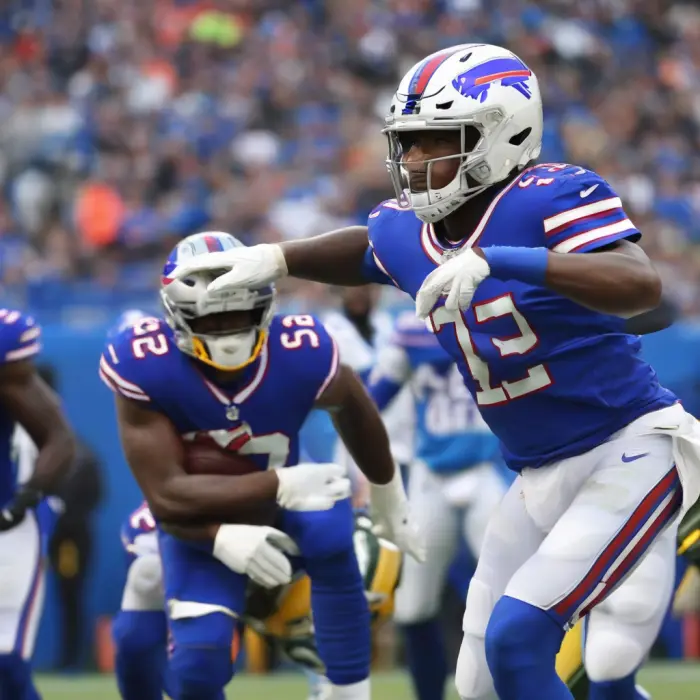



49ers Sign Veteran Replacement Kicker After Releasing Jake Moody
What a hypothetical move like this would signal about San Francisco’s Super Bowl window, special teams strategy, and roster-building priorities.
Note: As of my last knowledge update (October 2024), Jake Moody remained on the San Francisco 49ers roster. If there has since been a report that the 49ers released Moody and signed a veteran replacement, the analysis below explores why a contender might make such a move, what it would mean on the field, and what to watch next.
Context: The 49ers, Contention, and the Kicker Standard
The San Francisco 49ers operate with a razor-thin margin for error. In a league where a single kick can swing playoff seeding—or a Lombardi Trophy—contenders scrutinize their specialists with a harsher lens than rebuilding teams. Jake Moody, a third-round pick in the 2023 NFL Draft, arrived with a powerful leg and the pedigree of a high draft investment. He also stepped into the pressure vacuum created by years of steady production from veteran predecessors and the heightened expectations of a perennial Super Bowl contender.
When elite rosters stumble, it is often in high-leverage, low-sample situations: red-zone execution, two-minute defense, and, yes, field goals and extra points in crunch time. That dynamic explains why a team in San Francisco’s tier would ever consider turning to a seasoned placekicker—even at the cost of admitting a high pick didn’t deliver instant, unwavering reliability.
Why Move On From a Young Kicker?
Releasing a recent Day 2 draft pick is never undertaken lightly. If the 49ers pivoted to a veteran, several factors likely converged:
- High-leverage trust: Staff confidence in late-game and postseason scenarios is paramount. Even average season-long accuracy may not compensate for nerves in January.
- Consistency over ceiling: A veteran’s week-to-week reliability can outweigh a younger kicker’s elite leg strength if misses cluster at pivotal moments.
- Operational synergy: Timing among the snapper, holder, and kicker is crucial. Coaches may prefer a veteran who quickly stabilizes operation and tempo.
- Championship window urgency: When the roster is otherwise title-ready, front offices often trade developmental runway for immediate certainty, especially at specialist positions.
- Injury or confidence dips: Even brief slumps can prompt a contender to seek a reset, particularly if accompanied by a minor injury or a noticeable hitch in mechanics.
What a Veteran Replacement Typically Brings
A seasoned kicker doesn’t just add accuracy; they add predictability. The hallmarks of a veteran profile include:
- Proven clutch track record: Documented success in adverse weather, on the road, and in the postseason.
- Operational mastery: Fast, repeatable mechanics that minimize snap-to-kick variability and reduce blocks or hooks.
- Situational communication: Clear pre-kick dialogue with coaches about range thresholds and wind adjustments to optimize play-calling.
- Kickoff management: Tactical control to pin returners, force touchbacks when needed, or execute directional kicks that feed coverage strengths.
Ripple Effects Across Special Teams
Changing the kicker affects more than three points on the scoreboard:
- Holder/long snapper dynamics: Slight differences in plant foot depth and operation speed can change the staff’s preferred holder and even the backup plan if the punter or a reserve must step in.
- Coverage unit strategy: A veteran’s kickoff control can shift the return game’s angles, altering how gunners and interior coverage lanes are coached.
- Fourth-down calculus: Coaches may attempt more 4th-and-mediums if range shrinks or trust is recalibrated; conversely, they may attempt longer field goals if the veteran’s range expands.
Contract and Roster Mechanics
Moving on from a third-round kicker carries both cap and optics costs:
- Dead cap considerations: A Day 2 pick still on a rookie deal typically creates some dead money acceleration upon release. For a contender, this is an accepted sunk cost if the move improves win probability.
- Veteran terms: Replacement kickers often sign short-term, incentive-laden deals, with built-in outs if performance dips or if the club restarts a competition midseason.
- Practice squad levers: Teams sometimes retain a developmental kicker on the practice squad, elevating as needed while a veteran handles core duties—though rules and elevations must be managed week to week.
What Kinds of Veterans Fit the 49ers?
Even without naming a specific signing, the prototype is clear:
- Weather-tested accuracy: Track record across multiple stadium types and conditions.
- Steady from 40–49 yards: That band is the heartbeat of NFL attempts and a bellwether for consistency.
- Functional 50+ range: Not necessarily elite, but sustainable enough to keep play-calling honest around midfield.
- Clean operation time: Quick, repeatable mechanics that align with the team’s snap-hold cadence and reduce exposure to edge pressure.
Names that typically circulate in such conversations include long-tenured options and recent starters who have cycled through competitive camps. Availability, health, and recent tape would narrow the field at any given moment.
Evaluating Jake Moody’s Arc
Moody entered the league with a booming leg and immediate expectations—an unusual pressure point for a rookie kicker. Young specialists often ride a steeper learning curve: new stadium sightlines, NFL hash marks, operational timing, and the psychological intensity of national windows. The 49ers drafted Moody to stabilize the position for the long term, and he showed stretches that justified that belief, along with the inevitable volatility that trails most first- and second-year kickers.
If the team ultimately chose a veteran path, it would say less about Moody’s ceiling than about San Francisco’s present-tense goals. Contenders optimize for January certainty; development windows shrink as the roster peaks elsewhere.
Coaching and Analytics Angles
Modern staffs blend film, biomechanics, and analytics to guide kicker decisions:
- Process metrics: Launch angle, ball rotation, snap-to-kick timing, plant foot stability, and contact point consistency are scrutinized.
- Expected points (EP) modeling: Teams simulate how a kicker’s make/miss rates at distance buckets impact win probability across typical game scripts.
- Mental performance: Clubs increasingly invest in sports psychology resources, recognizing that confidence and routine discipline are competitive edges.
Fan Reaction and Optics
Cutting a recent high pick can be polarizing. Some fans welcome a veteran’s steadiness; others worry about opportunity cost and the signal it sends about draft strategy. Ultimately, results govern sentiment: a few calm, late-season conversions can flip the narrative within weeks.
Historical Context: The 49ers’ Kicking Lineage
San Francisco has cycled through notable eras at kicker, from stalwarts who provided years of quiet competence to short spans of churn marked by tryouts and competitions. The throughline: when the 49ers’ broader roster is championship-caliber, they generally favor predictability at kicker—even if it means importing experience at the expense of development.
What to Watch Next
- Range thresholds: Listen for coaches citing “line to gain†for field goals before and after the signing; shifts reveal internal trust.
- Holder continuity: Any change at holder can signal a pursuit of tighter operation times or better chemistry.
- Practice reports: Beat writers often note percentage charts from post-practice periods, especially in two-minute simulations.
- Weather rehearsals: If the postseason path includes cold- or wind-prone venues, teams may publicly emphasize practice reps in similar conditions.
Bottom Line
If the 49ers released Jake Moody and signed a veteran, it would be a classic contender’s calculation: trade developmental upside for immediate, bankable peace of mind in the game’s smallest but most leverage-laden phase. It’s less an indictment of Moody’s long-term potential than a reflection of San Francisco’s urgent pursuit of every percentage point that could decide a championship.
If you’re referencing a specific Sports Illustrated report, share the publication date or a link, and I can tailor this analysis to the concrete details—contract terms, the named veteran, and any coach or front office quotes provided.