


CDC warns of deadly bug disease reported in Arkansas
Local coverage (including 5newsonline.com) has highlighted recent reports. Here’s what Arkansans need to know about kissing bugs and Chagas disease.
Quick overview
The Centers for Disease Control and Prevention (CDC) has issued ongoing guidance about Chagas disease, a potentially serious illness caused by the parasite Trypanosoma cruzi and carried by insects commonly known as kissing bugs (triatomine bugs). Sightings and detections of these insects have been documented across the southern United States, including Arkansas. While the risk of infection for the average person remains low, awareness and preventive steps are important for families, pet owners, and anyone living near wooded or rural areas.
What is Chagas disease?
Chagas disease is a parasitic infection that can be life‑threatening if left untreated. It occurs in two phases:
- Acute phase (first weeks to months): Often mild or without symptoms. Some people develop fever, fatigue, body aches, swelling at the bite or near the eye (Romaña’s sign), or a rash.
- Chronic phase (years later): Most remain asymptomatic, but 20–30% can develop serious complications such as cardiomyopathy (heart enlargement, arrhythmias, heart failure) or gastrointestinal issues (enlarged esophagus or colon).
Treatment exists: Antiparasitic medications (benznidazole or nifurtimox) are available in the U.S., often in coordination with the CDC and state health departments. Early diagnosis and treatment are most effective.
How kissing bugs spread the parasite
Kissing bugs are night‑active insects that feed on blood. They typically bite on exposed skin, often around the face. The parasite is not injected by the bite itself; instead, infection usually happens when bug feces contaminated with the parasite get into the body through the bite wound, the eyes, the mouth, or a break in the skin—often when a person unknowingly rubs or scratches the area.
Other, less common routes include mother‑to‑baby during pregnancy, blood transfusion, organ transplantation, and consumption of food or drink contaminated with the parasite (rare in the U.S.).
Why Arkansas is in the conversation
Several triatomine species live in the southern U.S., and confirmed sightings and collections have occurred in Arkansas. Local outlets such as 5newsonline.com periodically report on detections or public advisories.
- Risk level: Most Arkansans have a low risk of infection. Documented local transmission to humans in the U.S. remains uncommon compared with endemic regions of Latin America.
- Pets: Dogs can be exposed outdoors and are considered at risk; canine infections have been detected in parts of the southern U.S. Speak with your veterinarian if you’re concerned about your dog’s exposure.
- Environments: Rural housing, structures with gaps or cracks, woodpiles, sheds, dog kennels, and areas with abundant wildlife can attract or harbor kissing bugs.
How to recognize a kissing bug
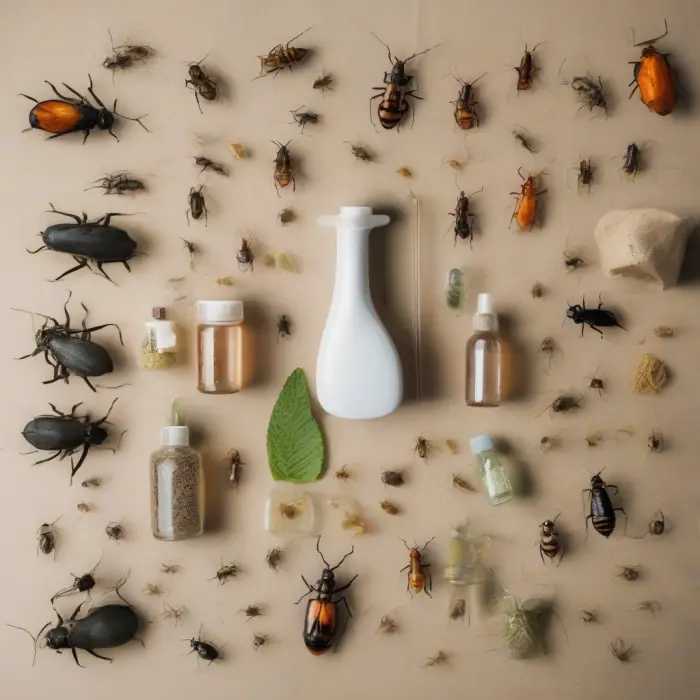
Triatomines can be confused with harmless look‑alikes (e.g., assassin bugs). Correct identification helps guide next steps.
Prevention: Protect your home, family, and pets
- Seal entry points: Caulk cracks and gaps around windows, doors, roofs, and walls; repair screens; weather‑strip exterior doors; cover attic and crawlspace openings with fine mesh.
- Reduce outdoor attractions: Move woodpiles, brush, and rock stacks away from the house; keep yards trimmed; minimize outdoor lighting that attracts insects near entryways.
- Pet safety: Keep dogs and cats sleeping indoors when possible; inspect and clean outdoor kennels and doghouses; use veterinarian‑recommended parasite control.
- Bed safety when camping or traveling: Use well‑sealed tents, screened cabins, or bed nets if needed; keep bedding off the ground and away from walls.
- Mind the lights: Kissing bugs are attracted to porch and indoor lights at night. Use yellow “bug” bulbs or keep unnecessary lights off.
If you find a suspected kissing bug
Do not crush it with bare hands. Crushing can smear potentially infectious material.
- Wear gloves or use a plastic bag, a small jar, or tape to capture the insect without direct contact.
- Alternatively, gently place the bug in a sealed container and put it in the freezer to humanely euthanize it.
- Contact your local health department, university extension, or state entomology lab for identification instructions. Ask whether they want the specimen for testing.
- Clean the area where the insect was found with household disinfectant; wash hands thoroughly.
Symptoms, testing, and when to seek care
- Possible early signs: Fever, fatigue, swollen lymph nodes, body aches, swelling or redness near the bite, or one‑sided eye swelling.
- If you suspect exposure: Contact your healthcare provider and mention possible Chagas exposure. Blood tests are required for diagnosis; multiple tests may be used to confirm.
- Treatment: Providers can coordinate access to antiparasitic drugs (benznidazole or nifurtimox). Treatment is most effective early but may still benefit some people later in infection.
- Pregnancy: Pregnant individuals with potential exposure should discuss screening; infants born to mothers with Chagas should be tested promptly.
- Blood donors: U.S. blood banks screen donations; donors with positive results are notified and referred for care.
Emergency signs: Severe chest pain, fainting, trouble breathing, or a rapid/irregular heartbeat should be treated as a medical emergency (call 911).
What about dogs and other pets?
Dogs can be exposed outdoors and may develop heart disease related to T. cruzi. If you live in an area with kissing bugs or think your dog has been exposed, talk to your veterinarian about testing and prevention. Keep kennels clean, elevate doghouses off the ground, and reduce harborage sites around the yard.
Myths and facts
- Myth: Every bite from a kissing bug causes Chagas. Fact: Transmission requires contamination with infected feces; most bites do not result in infection.
- Myth: Chagas is only a problem outside the U.S. Fact: While most cases in the U.S. are in people who acquired the infection elsewhere, locally acquired infections have occurred, and the vector is established in several southern states.
- Myth: There’s no treatment. Fact: Effective antiparasitic medications exist; early detection matters.
Authoritative resources
Bottom line
Chagas disease is serious but preventable. Kissing bugs have been reported in Arkansas and other southern states, yet the overall risk to the general public is still low. Practical home maintenance, informed pet care, and prompt medical evaluation after suspected exposure are your best defenses. Stay aware, take sensible precautions, and consult trusted public‑health sources for updates.
Disclaimer: This article provides general information for awareness and is not a substitute for professional medical advice. If you suspect exposure or symptoms, contact a qualified healthcare provider.