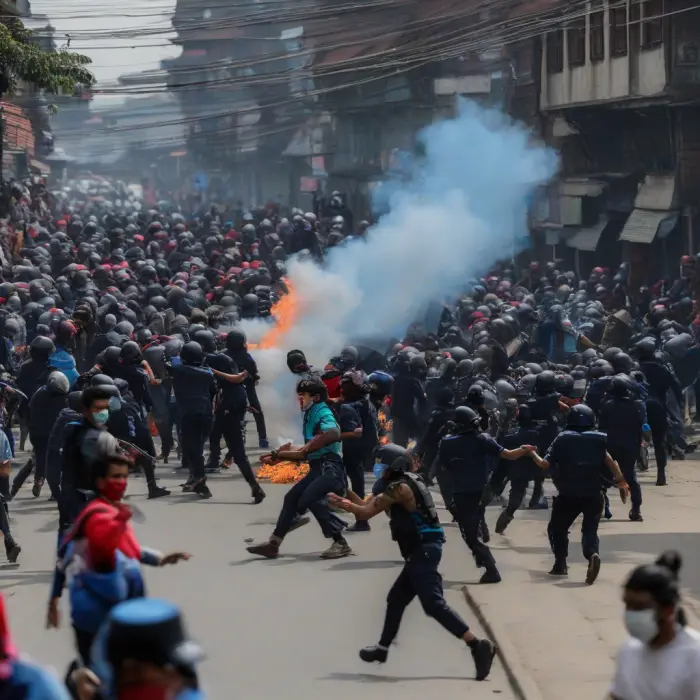


Nepal Protest LIVE Updates: Nepal Remains Under Curfew After 25 Killed In Violent Anti-Government Protests
Based on multiple media reports, including NDTV. Details may continue to evolve.
Authorities in Nepal have imposed and extended curfew orders across several areas after days of anti-government protests turned violent, with media reports indicating at least 25 people have been killed. The nationwide mood is tense as security forces remain deployed, transportation is disrupted in pockets of the country, and residents are urged to avoid nonessential travel. While the full scale and precise triggers of the latest unrest are still being assessed, the protests reflect a culmination of long-standing political and economic frustrations that have periodically surfaced in recent years.
Key points at a glance
- Curfew orders remain in effect in parts of Nepal following violent anti-government protests.
- Media reports, including NDTV, say at least 25 people have been killed amid clashes and unrest.
- Security forces have been deployed to restore order; authorities are urging calm and compliance with restrictions.
- Public services and transport have been intermittently disrupted, with some schools and businesses temporarily closed in affected areas.
- Domestic political actors and international observers have called for restraint and dialogue.
What we know so far
According to coverage from outlets such as NDTV and local Nepali media, demonstrations that began as gatherings against perceived government shortcomings escalated into confrontations with security personnel. The resulting violence led to multiple casualties and injuries, prompting authorities to impose curfews intended to prevent further clashes and safeguard critical infrastructure. In some locations, checkpoints and patrols have been reported, with movement restrictions enforced during curfew hours.
As of the latest reporting, the situation remains fluid. Officials have appealed for calm, and there have been indications of investigations into the circumstances surrounding the fatalities. Civil society groups and opposition voices have urged restraint from both demonstrators and security forces, emphasizing the need to protect lives, uphold rights, and facilitate peaceful avenues for grievances to be heard.
Context and underlying grievances
Nepal’s political landscape has experienced repeated strains over the past decade as institutions continue to consolidate following major constitutional and social transitions. Analysts point to a complex mix of factors that can fuel public anger: perceptions of governance shortfalls, economic pressures facing households and youth, and broader concerns about accountability and representation. While the catalysts for any given protest wave can vary, these structural issues often provide the backdrop against which localized triggers ignite wider demonstrations.
Observers also note that Nepal’s geography and diverse communities can lead to protests manifesting differently from region to region. This emphasizes the importance of nuanced, locally informed responses by authorities and community leaders to de-escalate tensions and restore trust.
Government and security response
Authorities have focused on preventing further violence, imposing time-bound curfews and deploying security forces to sensitive areas. Public statements have typically stressed the goals of maintaining order and protecting citizens. In similar past situations, governments in the region have convened high-level meetings, coordinated with provincial and district administrations, and pledged inquiries into allegations of excessive force—measures that many rights organizations and community representatives continue to advocate.
Legal and humanitarian groups consistently emphasize that any security response should be proportionate and consistent with national law and international standards, while also underscoring the responsibility of demonstrators to avoid violence and protect public safety.
Impact on daily life
The curfew and heightened security presence have produced knock-on effects for residents and businesses. In affected districts, public transport can be limited during curfew periods, and some long-distance routes may be delayed or rerouted for safety. Schools and shops in certain neighborhoods may close temporarily, and public gatherings are typically curtailed. Health facilities and emergency services generally continue to operate, though access can be slower where checkpoints are in place.
Travelers in Nepal are advised by their respective embassies and travel advisories to monitor official announcements and adjust plans as needed. Those living in affected communities commonly rely on local authorities, municipal notices, and verified news sources for updates on curfew timings and lifted restrictions.
Political reactions and calls for dialogue
Political parties across the spectrum, religious and community leaders, and civil society organizations have appealed for nonviolence and calm. Such appeals are often coupled with demands for credible, time-bound investigations into deaths and injuries, as well as renewed efforts at inclusive dialogue that can channel public frustrations into constructive policy conversations.
International partners tend to echo these themes, urging restraint from all sides and offering support for de-escalation efforts that prioritize human rights and the rule of law.
How information is being verified
In fast-moving situations, reports can vary, and figures may be updated as authorities and hospitals release new data. The reported death toll of at least 25 comes from media outlets, including NDTV, citing local officials and on-the-ground sources. Independent verification efforts by journalists and rights groups continue, and tallies may be revised as more information emerges.
Readers are encouraged to consult multiple reputable sources, including official government channels and recognized news organizations, to stay informed as the situation evolves.
Safety and practical guidance
- Follow official curfew orders and local authority instructions; avoid all nonessential movement during restricted hours.
- Monitor updates from verified news outlets and municipal or provincial authorities for changes to curfew timings and affected zones.
- If you must travel, allow extra time for checkpoints and potential diversions; carry identification and essential supplies.
- Avoid protest sites and large gatherings to reduce the risk of exposure to clashes or crowd surges.
- Check with schools, employers, and transport providers about adjusted schedules or temporary closures.
These suggestions are general in nature. For specific instructions, always prioritize official notices from Nepali authorities and recognized emergency channels.
What to watch next
- Announcements regarding curfew adjustments or lifting of restrictions in certain districts.
- Statements from the central government and security agencies about investigations into fatalities and injuries.
- Initiatives for mediated dialogue involving political stakeholders and civil society groups.
- Updates from hospitals and health officials on casualty figures and support for affected families.
- Travel and security advisories from foreign missions for their nationals in Nepal.
Editor’s note
This overview compiles developments as reported by multiple outlets, including NDTV, and by public statements from officials and community organizations. It is not a substitute for real-time emergency guidance. Because conditions can change quickly during periods of unrest, please consult official sources for the latest directives and safety information.