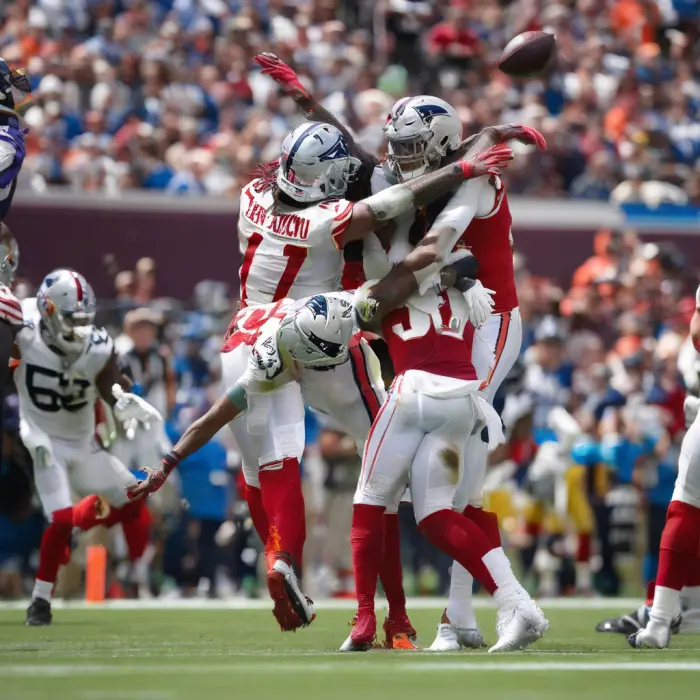



Steelers down two defensive starters and a key reserve for home opener
What the reported absences mean for Pittsburgh’s game plan, rotations, and early-season trajectory — and how the defense can still set the tone at Acrisure Stadium.
Overview
The Pittsburgh Post-Gazette reports that the Steelers will enter their home opener without two defensive starters and a key reserve. That kind of attrition would test any unit in Week 1, but it’s especially consequential for a team that leans on pressure, splash plays, and red-zone toughness to win tight, low-scoring contests at Acrisure Stadium.
Below is a look at how these absences could reshape Pittsburgh’s defensive plan, who’s likely to shoulder more snaps, and the situational levers the coaching staff can pull to keep the lid on explosive plays while maintaining its trademark aggression.
Key takeaways at a glance
- Expect a “next man up†approach with heavier rotation early to preserve legs into the fourth quarter.
- Coverage and pressure will be married by design: more simulated pressures, tight red-zone coverage, and selective blitzing on money downs.
- Special teams and field position become even more pivotal while the defense regroups.
- Game script matters: an early offensive lead allows the defense to lean into pass-rush packages without exposing thin spots against the run.
How the absences reshape the defense
Defensive line and edge
If one of the missing starters is in the front seven, the ripple effect starts with gap integrity and early-down run fits. Expect more base and over/ under fronts with a premium on first-contact tackles to keep second-and-long intact. Without a starting-caliber defender on the edge or interior, the Steelers can still manufacture pressure by:
- Dialing up simulated pressures that bring four while threatening six, forcing protection checks without overexposing coverage.
- Using interior stunts (T-E and E-T games) on passing downs to create one-on-ones for the healthiest, freshest rusher.
- Mixing wide alignments on obvious pass downs to stress the edges of the pocket.
The key reserve’s absence will be felt most in the rotation: fewer 6–8 play bursts for rushers and more sustained series. Look for the staff to stagger substitutions to avoid pairing too many backups on the field at once.
Linebacker level
If the injuries touch the second level, communication becomes priority one. The Steelers typically rely on fast flow and downhill fits; a new signal-caller or green-dot wearer could simplify the menu early (more quarters and cover-3 on early downs, more match principles in the red area). Expect:
- Heavier zone on early downs to keep eyes on the backfield and rally to tackles.
- Occasional creepers (LB replacing an edge in the rush) to preserve disguise without emptying the second level.
- Bracket techniques on the opponent’s top chain-mover in key third-down spots.
Secondary and nickel
Should one of the unavailable starters be in the secondary, the biggest question is the nickel and matchups on the slot. The Steelers can mitigate with:
- Rolling safeties post-snap to muddy pre-snap reads for the quarterback.
- Press and bail techniques outside to disrupt timing, paired with inside leverage and help on key in-breakers.
- Situational doubling (cone or bracket) on the opponent’s top target on third down and in the red zone.
The nickel’s blitz threat may be dialed back a touch if depth is tested, with more reliance on four-man pressure packages and disguised rotations behind them.
Next men up and rotation philosophy
Mike Tomlin’s “next man up†ethos is more than a slogan; it’s a snap-count plan. Expect:
- Shorter first-quarter stints to keep legs fresh for high-leverage downs later.
- Package-based substitutions: a run-stopping group for short yardage and a lighter, faster rush group for obvious passing downs.
- Defined roles for younger players — one responsibility at a time (edge-setter, sub-rush, dime dropper) to speed up processing and reduce mental load.
Situational football: where the game swings
Early downs
Keep runs to modest gains and limit play-action explosives. Expect tighter spacing in the box against heavy personnel and force the visitors into second/third-and-long where Pittsburgh’s pressure looks shine.
Third down
Look for simulated pressures and late movement in the secondary. The goal: get the ball out fast, tackle in front of the sticks, and steal a possession with a disguised trap or undercut.
Red zone
The Steelers have long thrived by tightening space and winning individual matchups inside the 20. With starters out, they may lean on:
- Pattern-match rules that pass crossers smoothly without over-committing.
- Tackle-first leverage to force field goals rather than touchdowns.
- Selective five-man pressures to compress the quarterback’s clock.
Complementary football will matter even more
Short fields hurt a shorthanded defense. Expect the staff to emphasize:
- Special teams edge: directional punts, hang time, and coverage integrity to flip the field.
- Offensive patience: win time of possession with efficient runs, screens, and quick-game throws to keep the defense fresh.
- Turnover battle: with less margin for error, one takeaway can swing the script.
What to watch in the first quarter
- Substitution patterns: who rotates in on third downs and in two-minute defense.
- Communication: clean alignments, late shifts, and how smoothly checks are made versus motion.
- Tackling: limit YAC and missed tackles in space — the fastest way to stabilize a depleted unit.
- Explosive plays: keep a lid on anything over the top, even if it means conceding a few underneath completions.
Big-picture outlook
Being down two defensive starters and a key reserve for the home opener is a real test, but not a death sentence. The Steelers can still dictate terms by winning first down, disguising coverages, and trusting their depth with role-specific snaps. If the offense stakes an early lead and special teams tilt the field, Pittsburgh’s defense can play to its strengths, protect its thinner positions, and make the critical fourth-quarter plays that so often decide games on the North Shore.
As always, availability can change; official inactives post 90 minutes before kickoff. But the blueprint remains the same: keep it in front, hit the quarterback when it counts, and make the stadium a problem for visiting offenses.