
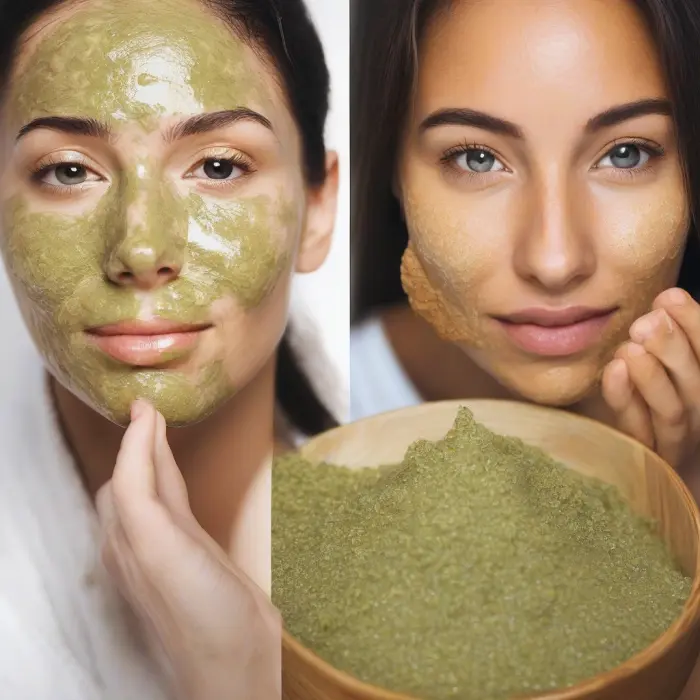
Homemade face masks are often promoted as a shortcut to glowing skin. In practice, a mask is best viewed as an optional part of skin care, not a treatment that can reliably clear acne, erase spots, or change skin from within. A temporary feeling of softness or freshness does not necessarily mean a lasting change.
Skin’s appearance is influenced by many factors, including its natural oil and moisture balance, irritation, and sun exposure. A mask sits on the surface for a short time. It may make skin feel more comfortable, but it cannot replace everyday care such as gentle cleansing, moisturizer, and sun protection.
What a simple mask may offer
Some familiar ingredients can have limited, short-term uses. Plain, finely ground oats mixed with water can feel soothing for some people, while a fragrance-free moisturizer is generally a more predictable option for dry or sensitive skin. A mask that contains water may temporarily soften the surface, especially if followed by moisturizer. These effects are modest, and they vary from person to person.
“Natural” does not mean safe for everyone. Citrus juice, vinegar, cinnamon, essential oils, and rough scrubs can irritate skin; citrus may also make skin more vulnerable to sunlight. Raw egg and other food ingredients can introduce avoidable hygiene concerns. Avoid applying household products that are not intended for skin, and do not use a mask on broken or inflamed skin.
Keep experimentation gentle
If you choose to try a homemade mask, use a small amount of a simple ingredient, keep it away from the eyes, and rinse it off gently. Do not scrub or leave it on longer than intended. Test a small area first and wait to see whether irritation develops before applying it more widely. Stop and rinse promptly if you notice burning, itching, swelling, or marked redness. A small-area test cannot guarantee that a reaction will not occur later.
For routine care, a gentle cleanser and a moisturizer suited to your skin are usually more useful than elaborate recipes. Sun protection also helps limit sun-related skin damage. Introduce new products one at a time so it is easier to spot what irritates you. If a skin problem is persistent, painful, worsening, or accompanied by a significant reaction, seek advice from a qualified health professional; severe or rapidly worsening symptoms warrant local emergency care.
A face mask can be a pleasant pause in a routine, but it is not a substitute for reliable skin care or professional guidance. The most useful choice is the one that leaves skin comfortable, causes no irritation, and fits a simple, consistent routine.


Discussion