

Why Staying Hydrated Matters for Your Health
Water is the quiet engine behind almost every process in your body. While it often gets overshadowed by diet or exercise, hydration is a foundational pillar of health that influences how you think, feel, and perform—every single day.
What Hydration Does in Your Body
Every cell, tissue, and organ relies on water to function well. Staying hydrated helps your body:
- Regulate temperature through sweating and evaporation, preventing overheating.
- Maintain blood volume and support healthy blood pressure and circulation.
- Transport nutrients, oxygen, and hormones to cells and remove metabolic waste.
- Support brain function, including attention, memory, and mood regulation.
- Lubricate joints and cushion tissues, reducing wear and tear.
- Aid digestion, nutrient absorption, and bowel regularity.
- Protect the kidneys and urinary tract by diluting urine and flushing bacteria.
- Support skin barrier function and elasticity from the inside out.
Why It Matters: Benefits You Can Feel
- Cognitive clarity: Even mild dehydration can impair attention, processing speed, and memory.
- Stable mood and energy: Adequate fluids help reduce fatigue, irritability, and headaches.
- Physical performance: Hydration supports endurance, power, thermoregulation, and recovery.
- Digestive comfort: Fluids soften stool and support regularity.
- Kidney and urinary health: Adequate intake helps lower the risk of kidney stones and UTIs in many people.
- Heart support: Proper hydration helps the heart pump blood efficiently during daily activities and exercise.
- Temperature control: Essential in heat, illness, or intense activity to reduce heat-related illness risk.
How Much Water Do You Need?
Fluid needs vary with body size, diet, activity, climate, altitude, and health status. General daily adequate intake from all beverages and foods:
- Adult men: about 3.7 liters (≈125 ounces)
- Adult women: about 2.7 liters (≈91 ounces)
- Pregnancy: about 3.0 liters (≈101 ounces)
- Breastfeeding: about 3.8 liters (≈128 ounces)
About 20–30% of total water typically comes from foods (fruits, vegetables, soups, yogurt). A practical approach is to drink to thirst and use urine color as a guide—aim for pale straw to light yellow most of the day.
If you want a rule of thumb, many people do well with roughly 30–35 mL per kilogram of body weight per day, adjusted for sweat, heat, altitude, and illness.
Hydration for Activity and Heat
During exercise or in hot, humid conditions, your fluid and electrolyte needs increase. Consider:
- Before exercise: Arrive well hydrated. A common guideline is 5–10 mL/kg of fluid 2–4 hours before activity, especially in heat.
- During exercise: Drink to thirst and according to sweat rate; many active people consume about 0.4–0.8 liters per hour, but needs vary widely.
- After exercise: Replace about 125–150% of the fluid lost over the next 4–6 hours. A practical estimate is ~0.5–0.7 liters per 0.5 kg (1 lb) of body mass lost.
- Electrolytes: For activities >60 minutes, heavy sweating, or hot weather, include sodium-containing fluids or foods to support fluid balance.
Electrolytes: When Water Isn’t Enough
Electrolytes—especially sodium, but also potassium, magnesium, and chloride—help your body retain and balance fluids.
- Use electrolyte drinks or salty foods when sweating heavily, exercising for >60 minutes, in hot climates, or during vomiting/diarrhea.
- Choose options with sodium (e.g., 300–700 mg per liter for many athletic situations). Very low-sodium drinks may be inadequate in heavy sweat conditions.
- If you have kidney, heart, or blood pressure conditions, or are on diuretics, ask your clinician about appropriate electrolyte use.
Signs You May Be Dehydrated
- Early signs: Thirst, dry mouth or lips, darker yellow urine, headache, fatigue, lightheadedness, muscle cramps, constipation.
- Moderate to severe: Very dark urine or very little urine, rapid heartbeat or breathing, confusion, sunken eyes, poor skin turgor, fainting.
Seek medical care promptly if severe signs occur, especially in children, older adults, or anyone with illness, fever, or prolonged vomiting/diarrhea.
Can You Drink Too Much Water?
Yes—overhydration can dilute blood sodium (hyponatremia), more likely during endurance events when large amounts of plain water are consumed without electrolytes.
- Symptoms: Nausea, headache, bloating, confusion, swelling of hands/feet; in severe cases, seizures.
- Prevention: Drink to thirst, match intake to sweat rate, and include electrolytes during prolonged or heavy sweating.
Practical Tips to Stay Hydrated
- Make it visible: Keep a water bottle within reach; choose one with volume markings.
- Habit stack: Pair sips with daily routines (after bathroom breaks, at meals, between meetings).
- Flavor it: Add citrus, berries, cucumber, mint, or a splash of juice. Sparkling water counts.
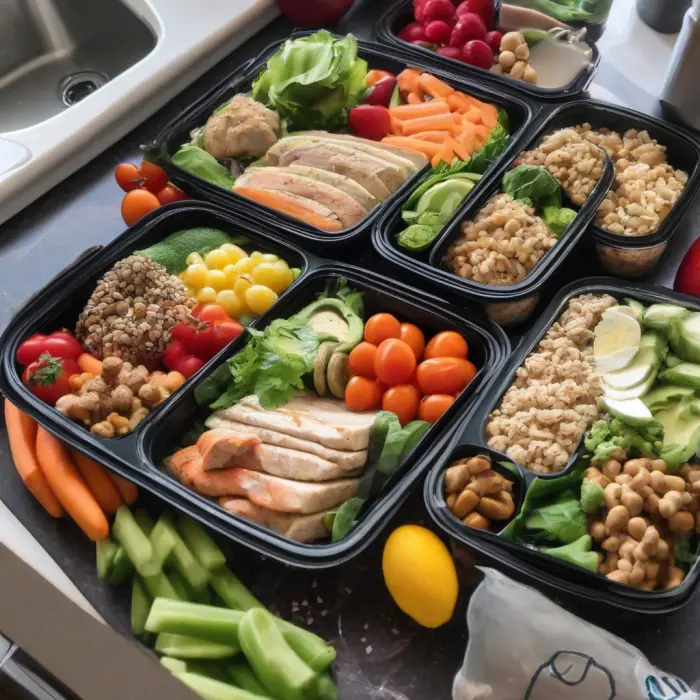
- Eat your water: Include water-rich foods like cucumbers, lettuce, tomatoes, watermelon, oranges, strawberries, yogurt, and soups.
- Use gentle reminders: Phone alarms, apps, or calendar nudges can help if you forget to drink.
- Watch urine color: Aim for pale straw most of the day; consistently very dark suggests you need more fluids.
- Time it around exercise: Start hydrated; sip during; rehydrate afterward with fluids and some sodium.
- Mind alcohol and caffeine: Moderate caffeine contributes to hydration overall; alcohol is dehydrating—alternate with water.
- Travel smart: Airplane cabins are dry; consider ~250 mL (1 cup) per hour of flight and bring a refillable bottle.
- Illness care: With fever, vomiting, or diarrhea, use small, frequent sips and consider oral rehydration solutions.
Special Considerations
- Children: Rely on caregivers; offer fluids regularly, especially during play, heat, or illness.
- Older adults: Thirst can be blunted; schedule fluids and monitor urine color and frequency.
- Pregnancy and breastfeeding: Needs are higher; keep water accessible and sip throughout the day.
- High altitude: Dry air and increased breathing raise fluid needs; carry water and electrolytes.
- Medical conditions: Some people with heart failure, kidney disease, or liver disease may need fluid restrictions—follow clinician guidance.
Common Myths, Clarified
- “You must drink 8 glasses a day.” Needs vary. Use thirst, urine color, and context to guide you.
- “Caffeine dehydrates you.” Moderate caffeine is not meaningfully dehydrating for most people and contributes to fluid intake.
- “Clear urine is ideal.” Consistently water-clear urine can indicate overhydration; pale straw is a better target.
- “Only plain water hydrates.” Milk, tea, coffee, sparkling water, and watery foods all count; choose options that fit your health and goals.
Quick Hydration Checklist
- Carry water and sip regularly.
- Eat water-rich foods daily.
- Check urine color: aim for pale straw.
- Adjust intake for heat, altitude, and activity.
- Use electrolytes for long or sweaty efforts.
- Seek care promptly for severe dehydration signs.
The Bottom Line
Hydration is a simple, powerful habit that supports your brain, heart, muscles, digestion, skin, and overall performance. By tuning into thirst, monitoring urine color, and adjusting for your daily context, you can make hydration work for your life—one sip at a time.
Note: This information is for general education and not a substitute for professional medical advice. If you have a health condition or take medications that affect fluid balance, consult your clinician for personalized guidance.