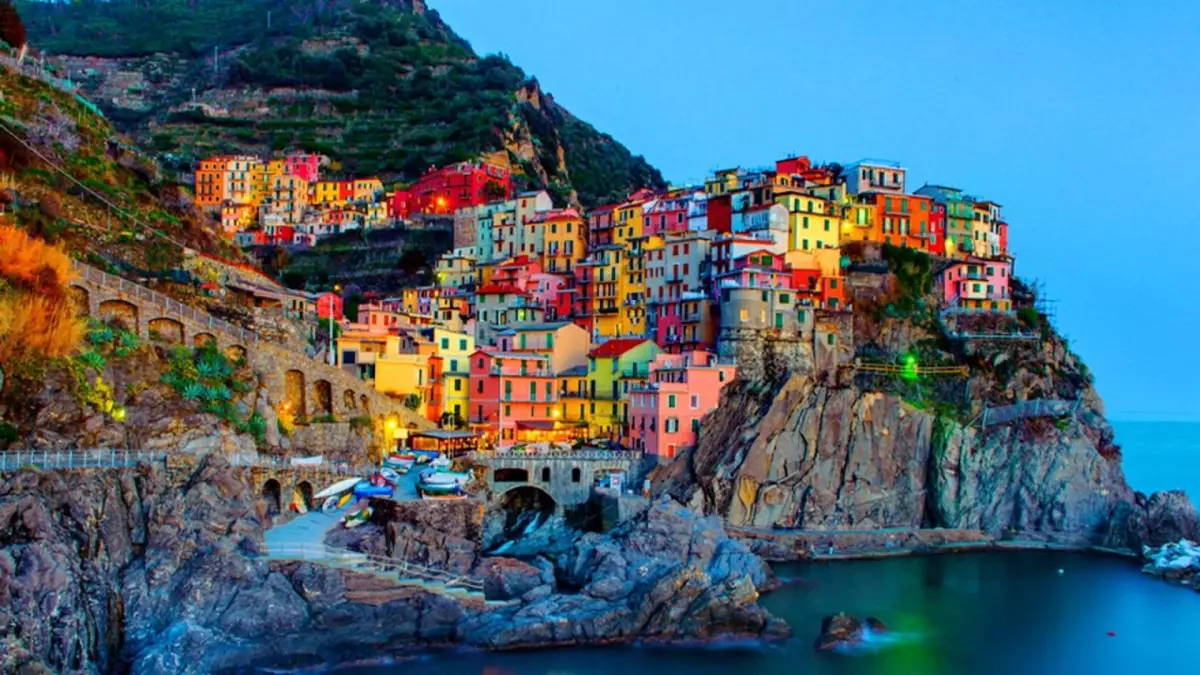
Italy’s history is not a single story stretching unchanged from ancient Rome to the present. These ten facts connect the modern state with some of the places that make its cultural landscape distinctive.
1. A kingdom proclaimed in Turin
The Kingdom of Italy was proclaimed in Turin on 17 March 1861.
2. Rome was not the first capital
The capital moved from Turin to Florence in 1865, then to Rome in 1871.
3. A choice for a republic
In the referendum of 2 June 1946, Italians chose a republic over a monarchy.
4. United Nations membership
Italy joined the United Nations on 14 December 1955, not immediately after the Second World War.
5. A founding role in European integration
Italy was among the 6 countries that signed the Treaties of Rome in 1957. The European Economic Community began operating in 1958; this was a predecessor of today’s European Union.
6. Pisa is more than its tower
Pisa’s Leaning Tower is a bell tower. UNESCO’s Piazza del Duomo site also includes the cathedral, baptistry and cemetery: a group of 4 medieval monuments.
7. Venice and its lagoon
UNESCO describes historic Venice as a city spread across 118 small islands. Its World Heritage site encompasses both the city and the lagoon.
8. A coastal landscape shaped by people
The World Heritage site of Portovenere, Cinque Terre and the islands includes Palmaria, Tino and Tinetto. Its settlements and cultivated landscape reflect adaptation to steep coastal terrain.
9. The Medici legacy beyond Florence
The Medici World Heritage site in Tuscany comprises 12 villas and 2 gardens. It recognises a tradition of residences combining architecture, gardens and the surrounding landscape.
10. Etna’s volcanic heritage
Mount Etna lies on Sicily’s eastern coast. Its active volcanic landscape was inscribed on UNESCO’s World Heritage List in 2013; the site is valued for its importance to the study of volcanoes.
Sources: Italian Parliament; Italian Ministry of Foreign Affairs; European Union; UNESCO: Pisa; UNESCO: Venice; UNESCO: Cinque Terre; UNESCO: Medici; UNESCO: Etna.


Discussion