How DNA Stores, Copies and Uses Biological Information
How DNA is packaged in nuclei and mitochondria, copied through complementary base pairing, and read through mRNA to make proteins.
Stories in this section
495 articles
How DNA is packaged in nuclei and mitochondria, copied through complementary base pairing, and read through mRNA to make proteins.
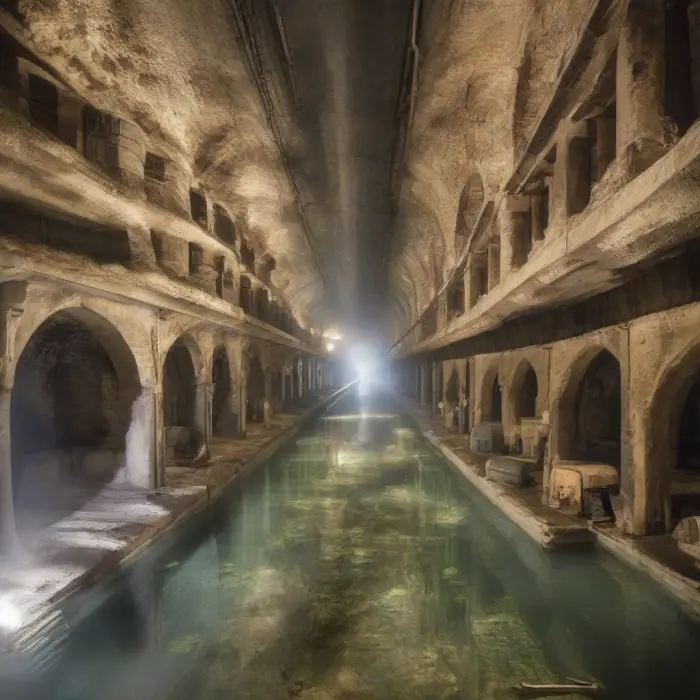
Rock-cut refuges, salt mines, shelters and buried streets show why not every underground attraction is a lost city.
Mind-Blowing Facts About the Wonders of the Human Brain
Serendipity is not simply luck. It describes how an unexpected observation can become a discovery when someone notices it, asks what it means, and tests a possible explanation.
Quirky Facts About the History of Magic and Illusions
Language leaves no direct fossil record, so its beginnings remain uncertain. Linguistics, archaeology and biology offer clues about how communication changes and how the world’s languages are related.
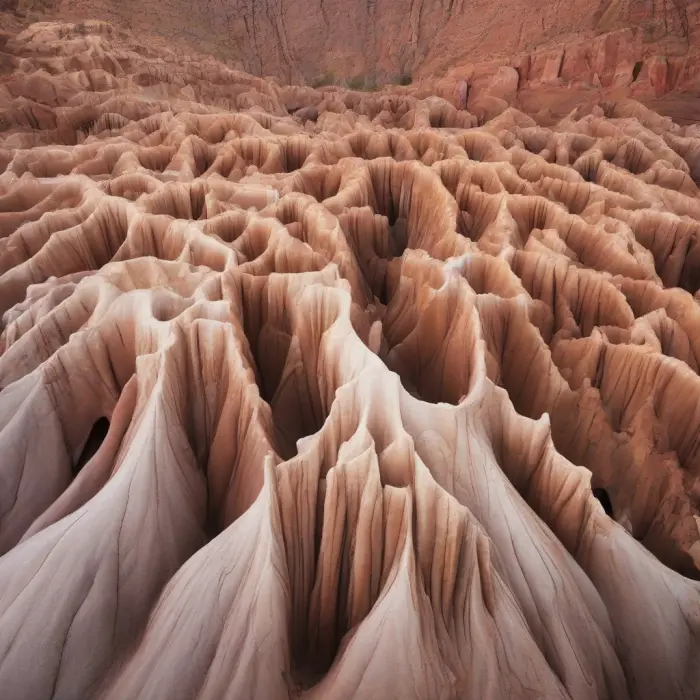
The Richat Structure, Fly Geyser, Giant’s Causeway, Zhangye and The Wave illustrate different geological histories rather than a single natural mystery.
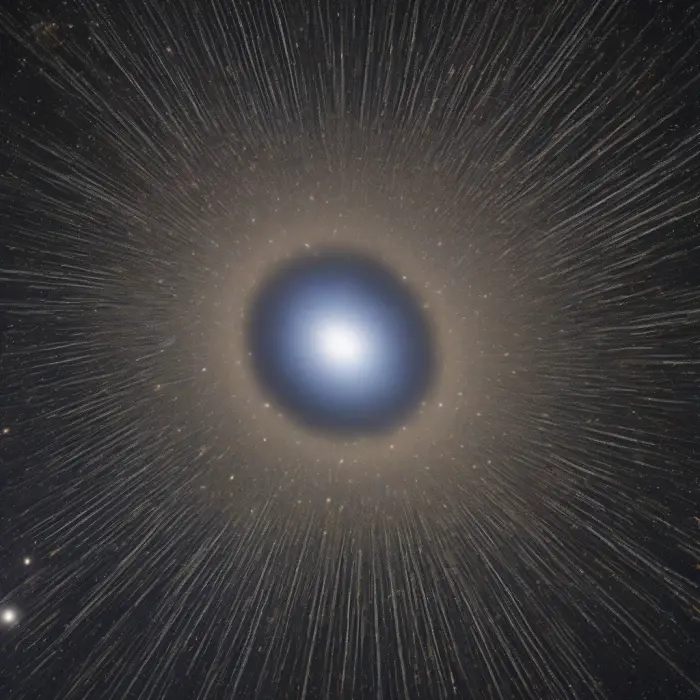
Galaxy motions and cosmic structure reveal a missing mass component, but do not identify the particles or objects behind it.
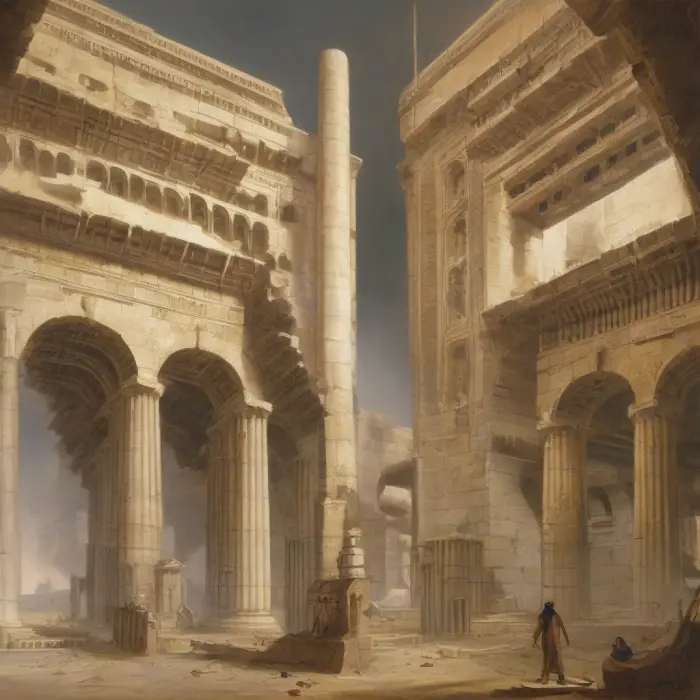
Giza, Stonehenge, Roman aqueducts and the Hanging Gardens show why material evidence matters as much as a memorable story.
Letters can evoke colors and other familiar stimuli can trigger additional experiences. Research examines their consistency, automatic nature and possible neural basis.
Microbes include bacteria, archaea, fungi, and other tiny forms of life. Understanding their variety helps explain how they shape ecosystems, support everyday processes, and sometimes cause disease.
Relativity explains why motion and gravity can make clocks accumulate different elapsed times, with GPS providing a practical example. These measured effects are not a machine for returning to the past; wormholes remain speculative.