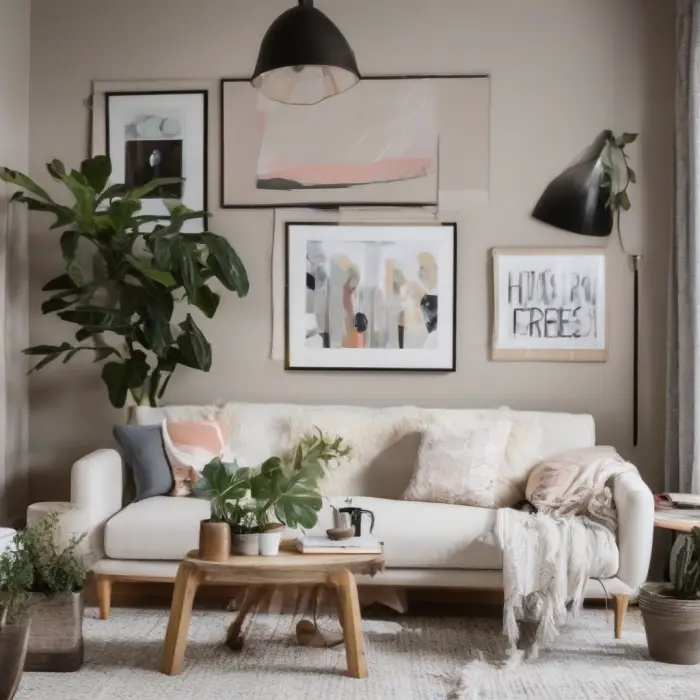
Design isn’t about how much you spend—it’s about what you choose. With a few clever tricks, a dash of creativity, and a plan, you can elevate any space on a shoestring budget.
Plan Like a Pro (Before You Spend a Dollar)
Great style starts with a plan. A simple roadmap helps you stay focused, avoid impulse buys, and stretch every dollar.
Define the vibe: Gather 10–15 inspiration images and identify themes: color, shapes, textures. Choose a palette using the 60/30/10 rule (60% main, 30% secondary, 10% accent).
Prioritize zones: Invest in first-impression spaces (entry, living area). List top three pain points—lighting, clutter, outdated hardware—and tackle those first.
Set a realistic mini-budget: Break it down by category (paint, lighting, textiles, art, storage). Save 15% for unexpected finds.
Measure and map: Use painter’s tape to outline furniture footprints on the floor and walls. Avoid buying pieces that are too big or too small.
Edit and Declutter for Instant Upgrade
Editing is free—and powerful. A lighter, airier room looks more expensive without a single purchase.
Remove extras: Clear surfaces to 3–5 intentional items. Store or donate duplicates.
Unify containers: Matching baskets and bins make open shelves look curated instead of chaotic.
Cable taming: Use clips, wrap cords, or route behind furniture. Visual noise drops instantly.
High-Impact, Low-Cost Upgrades
1) Paint Magic
Accent or half-wall: Painting the lower 2/3 of a wall or creating a color-block behind a sofa or bed adds architecture without millwork.
Doors and trim: A deep, moody door or crisp trim can look custom for the cost of a quart of paint.
Ceiling glow: A soft tint on the ceiling warms the room; in small spaces, try a few shades lighter than the walls.
2) Peel-and-Stick Power
Wallpaper: Add pattern to a single wall, inside bookcases, or on stair risers—removable and renter-friendly.
Tiles: Faux tile for kitchen/bath backsplashes changes the vibe in an afternoon.
3) Light the Room in Layers
Ambient + task + accent: Overhead for general light, lamps for reading, and accent lighting for mood.
Bulb swap: Choose warm white (2700–3000K). Matching temperatures across lamps instantly feels pulled together.
Plug-in upgrades: Plug-in sconces and under-cabinet strips add drama without rewiring.
4) Hardware Swaps
Cabinet knobs and pulls: Matte black, brushed brass, or leather tabs modernize kitchens, baths, and dressers.
Door handles: Coordinating finishes across a home reads as intentional design.
5) Textiles: The Soft-Serve Upgrade
Curtains hung high and wide: Mount rods 4–6 inches above the window and extend beyond frame to make windows feel bigger.
Rug right-size: Front legs of key furniture on the rug. Layer a large, affordable jute with a smaller patterned rug on top.
Pillow covers: Swap covers seasonally; use 22" covers with 24" inserts for a plush look.
6) Mirrors and Art That Matter
Mirrors opposite light: Bounce daylight to make rooms feel larger.
DIY gallery: Print art at home, thrift frames, or display personal photos in black-and-white for cohesion.
Overscale one piece: A large statement print often beats many small, scattered pieces.
7) Greenery for Life
Low-maintenance plants: Pothos, snake plants, or ZZ plants thrive in most conditions.
Propagate: Grow new plants from cuttings for free; reuse glass jars as planters.
Furniture: Buy Smart, Flip Smarter
Shop secondhand first: Facebook Marketplace, thrift stores, estate sales. Look for real wood, sturdy frames, and classic lines.
Refresh what you own: Sand and stain a tired table, paint mismatched nightstands the same color, or add cane/webbing to doors.
Contact paper or veneer: Marble-look film on a tabletop or fresh veneer edges transforms “renter-grade” pieces.
Multifunction wins: Storage ottomans, nesting tables, and benches with baskets reduce clutter and stretch space.
Rearrange strategically: Float the sofa when possible; create conversational layouts and ensure clear walkways (at least 30 inches).
Storage and Styling That Look Good
Go vertical: Wall shelves, peg rails, and tall bookcases draw the eye up and free floor space.
Hooks everywhere: Backs of doors, entries, bathrooms. Attractive hooks double as decor.
Contain and label: Baskets, clear bins, and trays make even busy areas look neat.
Style in threes: Create vignettes with varied heights and textures. Add one organic element (plant, wood, stone).
Room-by-Room Cheats
Living Room
Focal wall: Paint, wallpaper, or a large art piece to anchor seating.
Layer lighting: A floor lamp behind a chair and a table lamp by the sofa make it cozy.
Media cleanup: Hide cords with raceways and corral remotes in a tray.
Bedroom
DIY headboard: Upholster plywood with foam and fabric, or paint a faux headboard shape on the wall.
Hotel bedding hack: Crisp sheets, a duvet insert one size larger than the cover, and two euro pillows for structure.
Bedside symmetry: Matching lamps or coordinating ones to ground the room.
Kitchen
Peel-and-stick backsplash: Quick style upgrade behind the range and sink.
Swap hardware: Modern pulls change the read of stock cabinets.
Under-cabinet lights: Stick-on LEDs for task lighting and evening ambiance.
Open shelf edit: Keep 70% utility, 30% decor; repeat colors for cohesion.
Bathroom
Raise the curtain: Hang shower curtains near the ceiling for height; use a hotel-style liner.
Grout and caulk refresh: Whitening pens and new caulk make tile look new.
New textiles: Matching towels and a plush bath mat elevate instantly.
Entryway
Define a drop zone: Hooks, a small bench, tray for keys, and a mat that fits the door width.
Mirror + light: Combines function and a larger-feeling entry.
Renter-Friendly Solutions
Removable everything: Wallpaper, backsplash, and window film to frost or add privacy.
Command hooks and ledges: Hang art without holes; try picture ledges for flexible displays.
Rugs as cover-ups: Hide worn floors and define zones in open plans.
Furniture-as-built-in: Tall bookshelves and wardrobes mimic closets and add architecture.
Sustainable and Smart Shopping
Buy used, swap, or borrow: Tools and decor pieces can be community-shared.
Low-VOC paints and finishes: Healthier for you and better for indoor air.
Quality over quantity: One meaningful piece often beats several trendy items.
Weekend Project Planner
Under 2 Hours
Swap out cabinet and drawer hardware.
Rehang curtains higher and wider.
Change all bulbs to the same color temperature.
Restyle bookshelves with a rule-of-thirds approach.
One Day
Paint an accent wall or interior door.
Install peel-and-stick backsplash.
Deep-declutter, label bins, and hide cables.
One Weekend
Refresh a dresser or sideboard with paint or stain and new pulls.
Build simple floating shelves or a peg rail.
Create a gallery wall with thrifted frames and printable art.
Common Mistakes to Avoid
Tiny rugs: They make rooms feel smaller. Size up or layer.
Ignoring lighting: One overhead light flattens a room. Add lamps.
Too many small decor items: Prioritize larger, impactful pieces.
No plan: Impulse buys rarely work together. Stick to your palette.
All matching sets: Mix textures and finishes for depth.
Quick Checklist to Get Started
Create a mood board and choose a 60/30/10 color scheme.
List top three pain points and set a mini-budget for each.
Declutter and hide cables for instant polish.
Choose one high-impact project: paint, peel-and-stick, or lighting.
Shop your home first, then browse secondhand.
Add plants, swap pillow covers, and hang curtains correctly.
Finish with art, a mirror, and a styled vignette.
Remember: Style is a series of small, intentional choices—not a single expensive purchase.