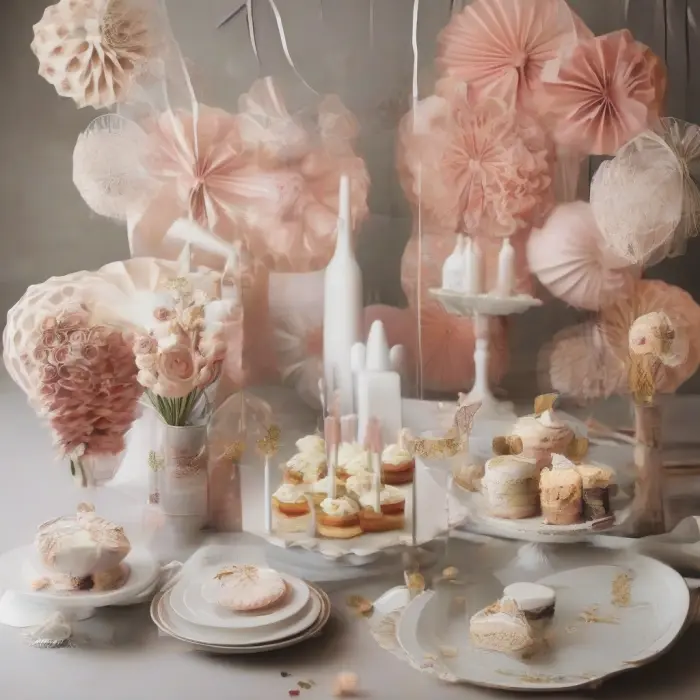
A celebration can reflect the interests of the person it is for without becoming an elaborate surprise. Use these ideas as possibilities, not a checklist. Agree on the scale, guests and spending before making arrangements, and leave room for someone to prefer a quieter occasion.
Try an activity together
Consider a painting, pottery or cooking session if it interests the people involved. Ask about the format and what participants need before booking. An informal activity at home can also suit the occasion; the choice does not need to be an expensive class.
Make a gift personal
A note inside a book, a chosen photograph or something you make can connect a gift to a shared memory. Think about what the recipient would actually like to keep. Personalisation is an option, not a reason to buy something that otherwise would not suit them.
Plan a change of scene with consent
A visit or a day spent somewhere different may appeal, but check availability and preferences before arranging travel. Keep any surprise to details the recipient would welcome. Staying close to home is also a valid choice, and no trip is required to mark the occasion.
Choose a flexible theme
A colour, film or shared interest can guide decorations or activities. Let guests take part in a way that is comfortable for them rather than requiring elaborate costumes or purchases. Use what is already available when it fits the idea.
Share memories thoughtfully
Put together a short selection of photographs or a video if that would be welcome. Ask before sharing private images or stories, especially beyond the gathering. Leave out material someone does not want included, even if others find it amusing.
Invite people to contribute
A shared meal or an optional friendly cooking challenge can give guests a role. Agree on contributions and food preferences in advance, without making participation compulsory. Choose the elements that fit the people present instead of trying to include every idea.


Discussion