DIY Cleaning Hacks for a Sparkling and Organized Home
DIY Cleaning Hacks for a Sparkling and Organized Home
Simple, safe, and budget-friendly ideas to clean smarter, not harder—plus smart organizing tips that stick.
Before You Start: Set Yourself Up for Success
A clean, organized home starts with a simple system and the right tools. Spend a few minutes setting up a solid foundation and every task gets easier.
Create a cleaning caddy: Stock it with microfiber cloths (color-code for kitchen, bath, dusting), a scrub brush, old toothbrush, squeegee, gloves, scraper, and your DIY sprays.
Work top-to-bottom, dry-to-wet: Dust and vacuum first, then wipe and mop. This minimizes rework.
Use dwell time: Let cleaners sit 3–10 minutes on soap scum, grease, or grime before scrubbing. It saves muscle and time.
Set a timer: A 10–15 minute timer per room keeps momentum and reduces overwhelm.
Spot test first: Always test solutions on an inconspicuous area—especially wood, fabrics, and painted surfaces.
DIY Cleaner Recipes That Actually Work
These simple, low-cost formulas handle most household jobs. Avoid using acidic cleaners (like vinegar) on natural stone (marble, granite, travertine), unfinished wood, or certain grout—use pH-neutral soap and water there.
All-Purpose Spray (not for natural stone)
1 cup distilled white vinegar
1 cup water
1 teaspoon mild dish soap
Optional: 10 drops essential oil (like lemon or tea tree)
Combine in a spray bottle. Great for sealed counters, glass stovetops (cool), sinks, and appliance exteriors. Avoid natural stone and waxed surfaces.
Stone-Safe Surface Cleaner
2 cups warm water
1 teaspoon pH-neutral dish soap
Mix and apply with a damp microfiber cloth for granite, marble, and quartz. Dry immediately to prevent water spots.
Glass and Mirror Cleaner
1 cup isopropyl alcohol (70%)
1 cup water
1 tablespoon white vinegar
Spray sparingly and buff with a lint-free cloth or newspaper for a streak-free shine.
Gentle Scrub Paste
1/2 cup baking soda
Enough water or dish soap to form a paste
Use on sinks, tubs, and inside ovens. Let sit 10–15 minutes, then scrub and rinse. Avoid on delicate finishes; test first.
Disinfecting Option (Non-porous Surfaces)
3% hydrogen peroxide in a spray bottle
Spray and let sit for at least 5 minutes before wiping. Do not mix with vinegar or bleach. Use on non-porous surfaces after pre-cleaning.
Stainless Steel Shine
1–2 teaspoons mineral oil or fractionated coconut oil
Apply a few drops to a soft cloth and buff with the grain after cleaning. Repels fingerprints.
Deodorizing Carpet Refresher
1 cup baking soda
Optional: 10 drops essential oil
Sprinkle lightly, let sit 15–30 minutes, then vacuum thoroughly. Avoid if sensitive to fragrances.
Room-by-Room Hacks
Kitchen
Microwave steam clean: Heat a bowl of water with lemon slices for 3–5 minutes. Let steam sit 1 minute; wipe out softened splatters.
Stovetop and hood degrease: Spray all-purpose cleaner, let dwell 5–10 minutes, then wipe. For filters, soak in hot water with dish soap and a tablespoon of baking soda.
Oven refresh: Spread baking soda paste inside (avoid heating elements). Let sit overnight; spray with vinegar and wipe clean.
Fridge reset: Remove contents, wipe shelves with warm soapy water, dry, then place a small open box of baking soda to absorb odors.
Dishwasher deep clean: Clean filter. Run a hot cycle with a bowl of white vinegar on the top rack (empty), then sprinkle baking soda on the bottom and run a short hot cycle. Check your manual first.
Garbage disposal freshen: Run ice cubes and coarse salt to scour, then flush with hot water. Finish with citrus peels in small amounts. Avoid fibrous peels and large batches.
Bathroom
Shower glass: Use a 1:1 vinegar-water spray (not on stone). Let sit, scrub with a non-scratch pad, rinse, and squeegee. Buff with a dry cloth. For stone, use soap and water only.
Soap scum remover: Mix equal parts dish soap and vinegar (warm slightly). Apply, let sit 10 minutes, then scrub and rinse.
Grout refresh: Apply 3% hydrogen peroxide, let sit 5–10 minutes, scrub with a toothbrush, and rinse. Re-seal grout periodically to prevent stains.
Toilet quick clean: Sprinkle baking soda in the bowl, add vinegar, let fizz 5 minutes, then brush. Wipe exterior with disinfectant.
Fog-free mirrors (short-term): Rub a drop of dish soap onto the mirror, buff clear with a dry cloth.
Living Areas and Bedrooms
Dust smarter: Use a slightly damp microfiber to trap dust. Work high-to-low, including tops of doors, frames, and baseboards.
Blinds and vents: Clamp two microfiber cloths to kitchen tongs to swipe each slat quickly. Or slip a sock over your hand with a little soapy water.
Ceiling fans: Slide an old pillowcase over a fan blade and pull back to catch dust. Wash the pillowcase after.
Lamp shades: Use a lint roller or a handheld vacuum with a brush attachment.
Pet hair: Dampen a rubber glove and wipe upholstery or use a window squeegee on carpet to pull up hair before vacuuming.
Floors
Hardwood: Vacuum with a soft brush, then clean with a damp (not wet) microfiber mop and a wood-safe cleaner. Avoid vinegar, steam, and standing water.
Tile and grout: Vacuum first. Mop with warm water and a small amount of dish soap. Rinse with clean water to avoid residue.
Carpet: Slow vacuum passes matter more than pressure. Treat spots promptly; blot, don’t rub.
Laundry Room
Washer care: Run a hot cycle with 2 cups white vinegar (front-loader: add to drum). Wipe gasket and door. Run a second hot cycle with 1/2 cup baking soda to deodorize.
Dryer safety: Clean the lint trap every load and the vent duct at least annually to reduce fire risk and improve efficiency.
Stinky towels: Wash hot with 1 cup vinegar. Then wash again with regular detergent. Dry completely.
Entryway
Shoe station: Use a boot tray with pebbles to collect water and allow airflow.
Doormats: Use a coarse mat outside and a washable one inside to capture dirt before it spreads.
Daily drop zone: Hooks for keys and bags, a small tray for mail, and a bin for returns/donations keep clutter corralled.
Spot, Stain, and Odor Solutions
Treat stains as soon as possible. Always blot first, work from the outside in, and test in a hidden area.
Grease on fabric: Sprinkle cornstarch or baking soda to absorb. Let sit 15 minutes, brush off, then pre-treat with dish soap before washing.
Wine or juice on carpet: Blot, then apply club soda. Blot again and repeat. Avoid over-wetting.
Coffee and tea: Rinse with cold water, dab with a mix of 1 tsp dish soap + 1 tsp vinegar + 1 cup water. Rinse and blot dry.
Blood: Use cold water only. Blot, then apply 3% hydrogen peroxide to light-colored fabrics. Rinse thoroughly.
Gum and wax: Harden with ice in a bag, chip off gently, then treat residue with dish soap or rubbing alcohol.
Permanent marker on hard surfaces: A small amount of rubbing alcohol on a cloth, or a dab of toothpaste + baking soda paste; wipe and rinse.
Glass shards: After sweeping, press a slice of soft bread or a damp paper towel over the area (gloves on) to pick up tiny slivers. Dispose carefully.
Odors in rooms: Set out bowls of baking soda or activated charcoal. Ventilate well and clean the source rather than masking.
Mattress refresh: Sprinkle baking soda, let sit 1–2 hours, then vacuum. Spot clean stains with mild dish soap and water; avoid over-wetting.
Organizing Hacks That Keep Clutter Away
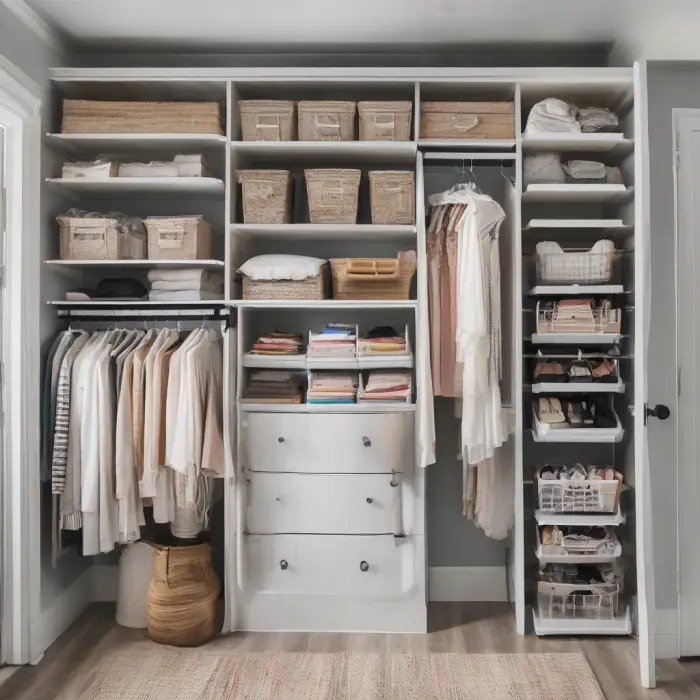
One home for everything: Assign a clear spot for keys, mail, and remote controls. Label bins and shelves so everyone knows where items live.
Vertical space: Use hooks, over-the-door racks, and wall-mounted shelves to free up floors and counters.
Divide drawers: Use small boxes or adjustable dividers to separate categories. A place for “small loose things” reduces junk drawers.
Container first, then quantity: Choose a bin size, then limit items to what fits. This naturally caps clutter.
Rotation system: For toys, linens, or seasonal gear, store extras in clear labeled bins and rotate monthly or seasonally.
5-minute reset: Do a quick tidy before bed: put dishes in the dishwasher, clear surfaces, and reset the entryway.
Paper control: Go digital when possible. For physical mail, sort immediately into recycle, action, and file.
Closet trick: Hang clothes with hangers facing backward; turn forward after wearing. Donate any still-backward items after a season.
Quick Daily, Weekly, and Monthly Routines
Daily (10–20 minutes)
Make the bed and air the room for a few minutes.
Wipe bathroom sink and mirror splashes after use.
Unload and load the dishwasher; wipe kitchen counters.
Do a 5-minute pick-up in living areas.
Run a quick vacuum in high-traffic zones if needed.
Weekly (45–90 minutes, batch by zone)
Dust all surfaces, then vacuum or mop floors.
Clean toilets, tubs, and showers; swap or wash towels.
Wipe mirrors and glass doors.
Change bed linens and wash bath mats.
Empty trash and recycling; clean bins if needed.
Monthly
Wipe baseboards, vents, and light switches.
Deep clean appliances: microwave, oven, fridge, dishwasher filter.
Wash pillows, duvets (check labels), and throw blankets.
Declutter one small space: a drawer, shelf, or cabinet.
Seasonal/Quarterly
Flip and rotate mattresses; wash mattress covers.
Clean behind/under large appliances and vacuum fridge coils.
Wash windows and screens; repair any drafts or leaks.
Audit closets and donate unused items.
Safety Notes and Storage Tips
Never mix cleaners: Especially avoid bleach with vinegar or ammonia; and don’t combine hydrogen peroxide with vinegar in the same container.
Ventilation and protection: Open windows, use fans, and wear gloves. Consider a mask when dusting heavily.
Label everything: Mark spray bottles with contents and date. Store out of reach of children and pets.
Surface compatibility: Avoid vinegar, lemon, and other acids on natural stone, some grout, and certain finishes. When in doubt, use mild soap and water.
Mold and mildew: For small spots, clean and improve ventilation. For extensive growth or if you smell persistent mustiness, consult a professional.
Appliance manuals: Check manufacturer guidance before using DIY solutions inside appliances or on specialty coatings.
Final Tip: Make It Easy, Make It Routine
Keep supplies where you use them, tidy for a few minutes daily, and lean on simple, proven recipes. Small, consistent steps make your home sparkle—and keep it that way.