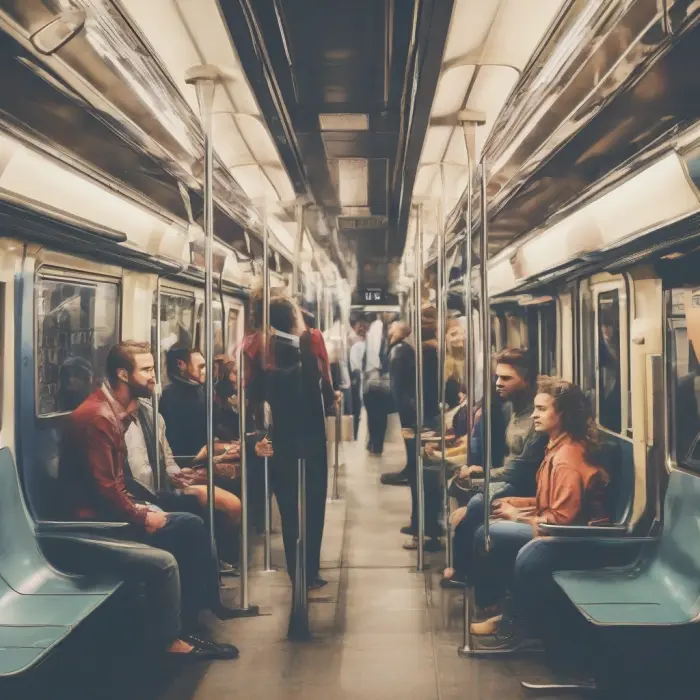
Travelling to and from work can feel tiring or repetitive. You may want to use the time for a small task, something enjoyable or simply a break. The right choice depends first on whether you are a passenger, a driver, a cyclist or a pedestrian.
Safety comes first: The US National Highway Traffic Safety Administration identifies activities that divert attention from driving as distractions. Do not read, type, use learning or meditation apps, or handle work messages while driving. Keep cycling free of these distractions too. If a task needs your attention, wait until you have stopped safely in a suitable place.
1. Plan the day as a passenger
If you are seated on public transport and comfortable doing so, use a notebook or planner to list priorities or prepare for a meeting. A small plan may be enough; the journey does not need to become an extra work shift. Put the device away when boarding, changing services or navigating a busy station.
2. Learn something interesting
Passengers can choose a podcast, audiobook or language lesson that fits the journey. Pick a topic for enjoyment or professional interest. Keep enough awareness of your surroundings to notice stops and announcements. Drivers should not turn a journey into an interactive lesson or operate an app on the move.
3. Leave room to relax
You do not have to fill every minute. As a passenger, you might sit quietly, look out of the window or try a brief relaxation exercise if the situation allows. Exercises that close your eyes or redirect attention away from traffic are not for driving or cycling.
4. Keep in touch when appropriate
A passenger may use a quiet part of the trip to send a message or reply to a professional contact. Consider other travellers and the privacy of the conversation. Save complicated or sensitive discussions for a better setting.
5. Consider walking or cycling
If the distance, route and your circumstances make it practical, walking or cycling may be an alternative for part or all of the journey. Concentrate on the route and traffic rather than trying to combine it with screen-based tasks.
Choose what suits the trip and your energy. A useful commute can include rest; it need not be measured by how much work you complete.


Discussion