

A dead body was found in singer D4vd’s impounded car, police said. Hours later, he performed on stage.
What we know so far, what remains unclear, and why this unusual situation is drawing intense public attention.
Summary of the reporting
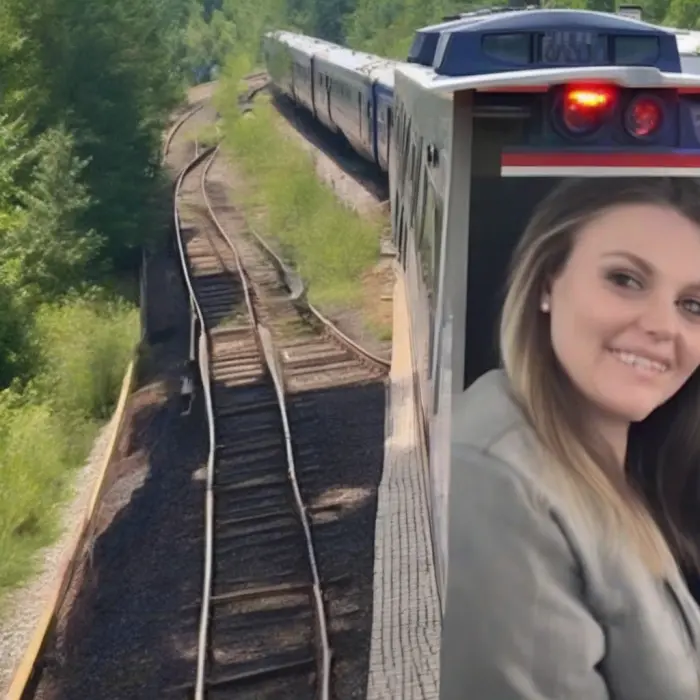
According to a report highlighted by Yahoo.com, law enforcement said a deceased individual was discovered in a car associated with the singer d4vd after the vehicle had been impounded. The same reports stated that hours later, the artist went on to perform as scheduled. As with any developing story, details may change as authorities release more information.
Key facts, as reported:
- Police said a dead body was found in a vehicle linked to d4vd that was already in impound.
- Subsequent coverage noted that the artist performed on stage later that day.
- Several crucial details—such as the deceased person’s identity, cause of death, and the sequence of events leading to the vehicle’s impound—were not independently verified here and may not yet be public.
Because official investigations take time, definitive answers about what happened, who is responsible for what, and whether any laws were broken often come later, after forensic work and interviews are complete.
Timeline at a glance
Based on the available reporting, a simplified timeline looks like this:
- A vehicle connected to d4vd was impounded by authorities.
- While impounded, a deceased individual was found in or associated with that vehicle, according to police.
- Later the same day, the singer performed at a scheduled event.
Public understanding of the timing between each step—and what happened in the hours before the vehicle was taken to impound—remains incomplete in open-source reports.
What remains unclear
- Identity of the deceased: Authorities typically notify next-of-kin before releasing a name and may withhold other personal details to protect privacy.
- Cause and manner of death: Autopsy results and toxicology testing can take days to weeks. Until then, most information will be preliminary.
- Chain of custody and access: Who had access to the car, when it was last used, and how and when the body was discovered are investigative questions that matter greatly.
- Potential legal implications: Whether any criminal or civil liability exists depends on facts that have not been publicly established.
- The artist’s knowledge and involvement: There is no basis, from the reporting alone, to infer what the artist knew or when. Speculation can be misleading.
Why the impound detail matters
Impound lots are controlled settings where vehicles are stored after towing or seizure. Typically, once a car is impounded, access is limited and recorded. If a body is found after a vehicle reaches impound, investigators will want to determine:
- Whether the body was present before the car entered the lot and went unnoticed.
- Whether anyone accessed the vehicle after impoundment.
- Whether evidence on or around the vehicle was disturbed during towing or intake.
These questions influence everything from potential charges to the credibility of evidence and the timeline investigators ultimately establish.
Performing the same day: optics versus obligations
Artists and their teams face practical and ethical decisions when a serious incident occurs near a show date. The calculus can involve contractual penalties, venue and staffing logistics, fan travel, and public safety. At the same time, continuing with a performance risks appearing insensitive—especially when facts are scarce and emotions are high. There is no single “right” answer; decisions are often made with limited information and advice from legal counsel and management.
Public and industry reaction
In fast-moving situations like this, reactions tend to split along a few lines:
- Calls for patience: Many observers emphasize waiting for verified information, given the stakes for all involved.
- Concern and grief: The presence of a deceased person—no matter the circumstances—prompts an intensely human response.
- Speculation: Social media frequently fills gaps with rumor. This can harm real people and complicate investigations.
- Operational questions: Promoters, venues, and crew often revisit safety and crisis protocols when high-profile incidents erupt.
Legal context and investigative steps
In a case like this, standard investigative steps often include:
- Securing and documenting the vehicle as a potential crime scene.
- Determining the deceased person’s identity and notifying family.
- Conducting autopsy and toxicology tests to ascertain cause and manner of death.
- Interviewing relevant witnesses, including tow operators, impound staff, prior drivers, and associates with legitimate access.
- Reviewing surveillance footage from the tow location, streets along the route, and the impound lot.
Ownership or association with a vehicle does not, by itself, establish knowledge or culpability. Investigators focus on evidence, timelines, and access histories to reach conclusions.
Ethics of reporting and consuming the news
This story involves sensitive elements: a death, a public figure, and incomplete information. Responsible approaches include:
- Avoiding unverified claims and refraining from naming individuals until authorities confirm identities.
- Separating confirmed facts from speculation or commentary.
- Respecting the privacy of the deceased and their loved ones.
- Recognizing that early narratives often change as official findings emerge.
What to watch next
- Official updates from local law enforcement and the medical examiner.
- Any statements from d4vd or his representatives, which may clarify the timeline and his knowledge at the time.
- Verified reporting that sheds light on how and when the vehicle was impounded and who had access to it.
- Public records filings, which sometimes document towing and impound procedures relevant to the case.