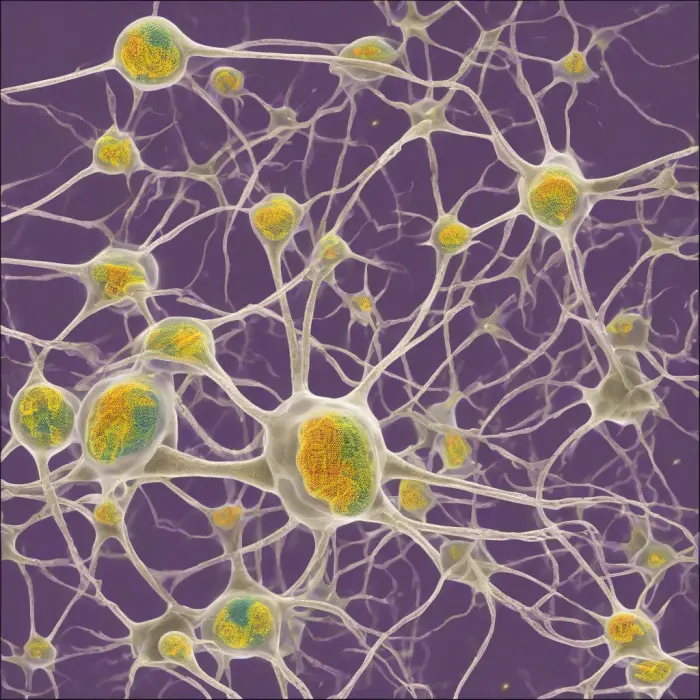



Chronically sleepless? New study suggests it might cause your brain to age
Recent reporting highlights research linking long-term sleep deprivation with accelerated brain aging. Here’s what that could mean for your health, why scientists think it happens, and what you can do about it.
The big picture
A new study covered by The Washington Post draws attention to a growing body of evidence: people who chronically get too little, poor-quality, or highly irregular sleep tend to show signs of an “older” brain on imaging and cognitive testing than their peers who sleep well. While any single study has limits, the pattern fits with decades of research linking insufficient sleep to problems with memory, attention, mood, and longer-term risks such as dementia.
Importantly, “brain aging” in this context typically refers to measurable changes—like reduced gray matter volume in certain regions, altered white matter integrity, or differences in brain network activity—that correlate with what’s more commonly seen in older adults. It does not mean inevitable decline, and many changes are modifiable with better sleep and overall health.
What the research suggests
- Chronic short sleep is linked to an older “brain age.” Studies using MRI-based “brain age” algorithms often find that people who consistently sleep fewer than ~6–7 hours per night show a larger gap between their brain’s apparent age and their actual age.
- Sleep quality matters, not just hours. Frequent awakenings, insomnia, sleep fragmentation, or untreated sleep disorders (like sleep apnea) are associated with structural and functional changes in the brain that resemble accelerated aging.
- It’s a dose–duration relationship. Occasional short nights are common and usually reversible; the greatest risks appear with months to years of chronic restriction or disruption.
- Middle age is a critical window. Sleep problems in midlife have been linked to later-life cognitive decline, suggesting that prevention and treatment earlier may offer long-term brain benefits.
Most of these findings are observational—meaning they show associations, not guaranteed cause and effect. Still, when multiple studies converge across populations and methods, confidence grows that sleep is a meaningful lever for brain health.
How sleep loss might age the brain
Scientists point to several biological pathways that could explain the connection:
- Glymphatic “cleanup” shortfall: Deep sleep appears to help clear metabolic waste products from the brain, including amyloid-beta and tau proteins. Chronic sleep loss may reduce this clearance, fostering accumulation linked with neurodegeneration.
- Neuroinflammation and oxidative stress: Inadequate sleep can increase inflammatory signaling and free radical damage, both implicated in aging neurons and glial cells.
- Synaptic imbalance: Sleep supports synaptic pruning and plasticity. Without sufficient sleep, the brain may struggle to reset connections, harming learning and memory consolidation.
- Vascular health: Poor sleep is tied to hypertension, atherosclerosis, and microvascular dysfunction, which can impair cerebral blood flow and white matter integrity.
- Hormonal and metabolic strain: Disrupted circadian rhythms and elevated cortisol from chronic sleep debt can harm brain regions like the hippocampus and prefrontal cortex.
- Myelin and white matter changes: Some imaging studies suggest reduced white matter quality with long-term sleep disruption, potentially slowing neural communication.
Who may be most at risk
- People with chronic insomnia or sleep efficiency below ~85% (long time in bed but little time actually asleep).
- Shift workers and those with highly irregular sleep–wake schedules.
- Individuals with untreated sleep apnea or other breathing-related sleep disorders.
- Habitual short sleepers (regularly under 6–7 hours) and those with frequent nighttime awakenings.
- People with high stress, pain, or mood disorders that fragment sleep and can also independently affect brain health.
What this does not mean
- Not destiny: An “older” brain age metric is not a diagnosis and can improve with better sleep and lifestyle changes.
- Not purely causal: Poor sleep may both cause and result from brain changes. Bidirectionality is common in health research.
- Not every short night matters: Acute sleep loss is usually reversible; the greatest concerns arise from chronic patterns.
Practical steps to protect your brain through better sleep
1) Strengthen sleep basics
- Keep a consistent sleep–wake schedule, aiming for a stable bedtime and wake time every day.
- Target 7–9 hours of sleep for most adults; adjust based on how you feel and perform.
- Create a dark, cool, quiet bedroom; consider blackout curtains, white noise, and a comfortable mattress and pillow.
- Wind down for 30–60 minutes before bed: dim lights, put away bright screens, and do a relaxing activity.
2) Optimize your daytime for nighttime
- Get bright natural light within an hour of waking to anchor your circadian rhythm.
- Avoid caffeine within 8–10 hours of bedtime and limit alcohol, which fragments sleep.
- Exercise regularly, ideally finishing vigorous workouts at least 3 hours before bed.
- Keep meals lighter and earlier in the evening when possible.
3) Address common disruptors
- If you snore loudly, gasp, or feel unrefreshed despite a full night, get evaluated for sleep apnea.
- For persistent insomnia, ask about cognitive behavioral therapy for insomnia (CBT-I)—a first-line, non-drug treatment with strong evidence.
- Manage pain, reflux, and mental health conditions that commonly disturb sleep.
- For shift workers, use strategic light exposure, dark glasses post-shift, and consistent anchor sleep periods to reduce circadian misalignment.
4) Track and adjust
- Use a simple sleep diary for 1–2 weeks to spot patterns: bedtime, wake time, awakenings, caffeine, alcohol, exercise.
- Consumer wearables can offer rough trends, but prioritize how you feel and function over chasing device scores.
When to seek medical help
- Insomnia or unrefreshing sleep at least 3 nights per week for 3 months or more.
- Daytime sleepiness that affects work, driving, or relationships.
- Signs of sleep apnea: loud snoring, witnessed pauses in breathing, morning headaches, high blood pressure.
- New or worsening memory, attention, or mood issues that coincide with poor sleep.
A clinician can screen for sleep disorders, recommend CBT-I, evaluate medications that may disrupt sleep, and coordinate further testing if needed.
Frequently asked questions
Can I “catch up” on weekends?
Extra weekend sleep can help short-term sleepiness, but it doesn’t fully undo the metabolic, cardiovascular, and cognitive effects of chronic weekday restriction. Consistency is more protective for brain health.
Is more always better?
Not necessarily. Regularly sleeping far beyond 9–10 hours can signal underlying conditions. The sweet spot for most adults is 7–9 hours of quality sleep.
What about naps?
Short naps (10–20 minutes) can boost alertness without disrupting nighttime sleep. Long or late naps may make it harder to fall asleep at night if you already struggle.
Do melatonin or supplements help?
Low-dose melatonin can help shift circadian timing (e.g., jet lag), but it’s not a cure-all for chronic insomnia. Discuss supplements or sleep medications with a clinician, as behavior-based approaches often work better long-term.
The bottom line
The emerging consensus—reinforced by the new study highlighted by The Washington Post—is that chronic, poor-quality sleep is linked with measurable signs of accelerated brain aging. While the science continues to refine exactly how and how much, the safest bet is clear: protect your sleep now to protect your brain later. Small, consistent changes add up—and seeking help for persistent problems is a smart investment in long-term cognitive health.