

Clever Tips for Maximizing Space in a Tiny Kitchen
A tiny kitchen doesn’t have to mean tiny ambitions. With a few intentional choices and some space-savvy strategies, you can turn even the smallest galley or kitchenette into a hardworking, beautiful hub. Use the ideas below to squeeze more storage, prep area, and style from every inch—without clutter or chaos.
1) Start With a Space Plan (and a Ruthless Edit)
- Measure first: Note cabinet interior widths, shelf depths, and vertical clearances. Common shelf heights are 10–12 inches; knowing exact numbers helps you choose the right organizers.
- Edit by frequency: Keep daily-use items (the top 20%) within arm’s reach. Seasonal or seldom-used tools can live on the highest shelves, in a hall closet, or in a labeled storage bin elsewhere.
- Minimize duplicates: One great chef’s knife, one cutting board per task (or a double-sided board), nesting bowls, and collapsible strainers can replace multiple single-purpose tools.
2) Build Up: Use Vertical and “Airspace” Storage
- Wall-mounted rails and hooks: Hang ladles, mitts, and small pans on a rail to clear drawer and counter space. Position 4–6 inches from the backsplash to avoid splatter.
- Magnetic solutions: A magnetic knife strip frees drawer space and keeps blades safe. Strong magnetic spice tins on the side of the fridge or a steel plate can hold dozens of spices vertically.
- Overhead pot rack: If ceiling height and studs allow, suspend lighter pots to reclaim cabinet room. Keep heaviest cookware stored lower for safety.
- Under-shelf baskets: Clip-on baskets capture wasted “headroom” in cabinets for wraps, cutting boards, and linens.
- Back-of-door organizers: Mount slim racks inside pantry or cabinet doors for foil, bags, and spices. Check door clearance to avoid bumping shelves.
3) Make Every Cabinet and Drawer Do Double Duty
- Adjust shelves: Fine-tuning shelf heights can gain whole tiers. Group like items by height to avoid dead space.
- Use risers and lazy Susans: Risers double shelf surface area for plates and cups. Turntables in corners make oils and condiments accessible without digging.
- Pull-out organizers: Slide-out trays and baskets in base cabinets bring items to you—no more wasted back corners.
- Toe-kick drawers: If renovating, shallow drawers in the toe-kick area stash flat items like baking sheets and placemats.
- Drawer dividers: Segment utensils by task; add shallow inserts for tea, spices, and baking tools so everything has a home.
- Pan and lid files: Vertical racks (like bookends) store baking sheets, cutting boards, and pan lids upright, saving inches and time.
4) Expand Your Prep Zone Without Expanding the Kitchen
- Over-the-sink cutting board: A sturdy, fitted board creates instant counter space and keeps prep near the faucet.
- Fold-down or slide-out surfaces: Add a fold-down table, wall-mounted drop leaf, or a pull-out cutting board to gain temporary workspace.
- Rolling cart or island: A slim cart adds storage and a mobile prep area. Choose one that tucks under a counter or into a niche when not in use.
- Stovetop covers: Burner covers or a fitted noodle board give you extra counter area when the stove is off.
5) Choose Smart, Space-Saving Tools and Appliances
- Nesting and collapsible gear: Bowls, measuring cups, colanders, and storage containers that nest or fold down reclaim precious inches.
- Multi-cookers and combo appliances: One appliance that pressure cooks, slow cooks, air fries, or toasts can replace several bulky gadgets.
- Compact formats: Look for slim dish racks, narrow microwaves, 2-slice toasters, and hand mixers instead of stand mixers.
- Wall-mounted tablet or recipe display: Free counter space by putting recipes on the wall instead of using a cookbook stand.
- Cable management: Mount a small surge strip under cabinets and use cable clips to prevent cord tangles and clutter.
6) Rethink Pantry and Food Storage
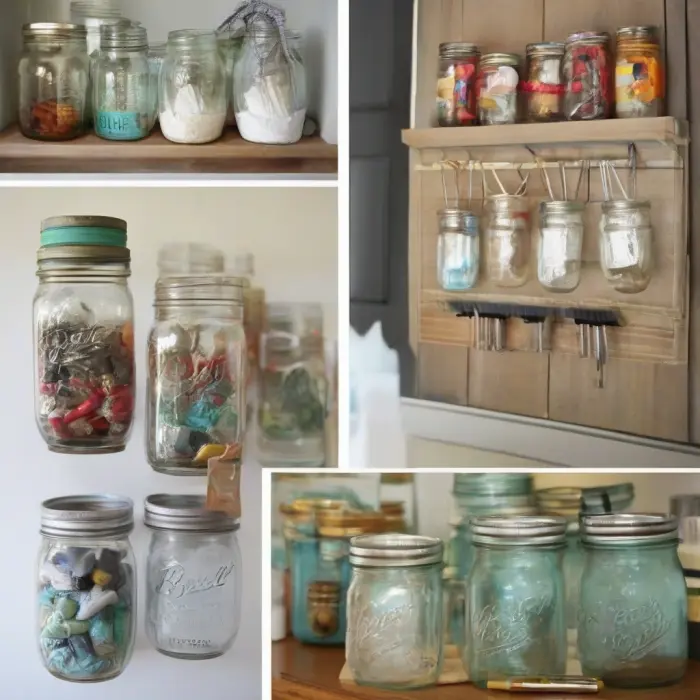
- Standardize containers: Square or rectangular containers maximize shelf capacity. Decant staples (rice, flour) for stackable, airtight storage and quick inventory checks.
- Label everything: Clear, simple labels prevent duplicates and make it easy to put things back where they belong.
- Use vertical tiers: Tiered can racks show labels at a glance. Shallow bins corral snacks and packets.
- Fridge and freezer zones: Assign shelves for produce, dairy, ready-to-eat, and leftovers. Use slim bins and file-like organizers for freezer bags to store foods upright.
- Shop smaller, more often: If storage is scarce, buy what you’ll use in a week. Build menus around what you already have to prevent overstocking.
7) Work With the Layout You Have
- Galley kitchens: Keep one side as a “clean lane” for prep and plating. Store heavy items below waist height for safety and balance.
- L-shaped or U-shaped: Use corner solutions like a lazy Susan or pull-out LeMans shelves so nothing disappears in the dark.
- Studio kitchenette: A pegboard wall can hold pans, strainers, and utensils by outline, turning your tools into decor.
- Doorways and dead zones: Add narrow shelves (3–5 inches deep) for spices or jars, leaving enough clearance for doors and walkways.
8) Light, Color, and Reflection Tricks
- Under-cabinet lighting: LED strips brighten counters and make the kitchen feel bigger and safer.
- Light palette: Pale paint, backsplash, or cabinet doors reflect light and visually expand the room.
- Glass and mirror accents: Glass canisters, glossy tiles, or a mirrored backsplash bounce light and add depth.
- Open or partial-open shelving: A few open shelves (curated, not crowded) can feel airier than a wall of doors.
9) Renter-Friendly, No-Drill Options
- Adhesive hooks and rails: Hang light tools without damaging walls. Always follow weight limits.
- Tension rods: Create instant dividers in cabinets, hold spray bottles under the sink, or add a mini curtain to hide clutter.
- Freestanding shelves and carts: Go vertical with a slim bookcase or baker’s rack; anchor safely if possible.
- Peel-and-stick organizers: Inside cabinet doors for wrap cutters, bag dispensers, or small bins.
10) Keep It Running Smoothly: Habits That Save Space
- One-in, one-out: When a new tool arrives, donate or sell something redundant.
- Reset nightly: A 5-minute tidy—clear the dish rack, wipe counters, return tools—prevents slow creep clutter.
- Batch prep: Pre-chop veggies and portion snacks to reduce daily mess and make containers earn their keep.
- Use a landing bin: Keep a small bin for “homeless” items. Empty it weekly to maintain order.
Safety and Practical Considerations
- Weight and anchors: Use appropriate wall anchors for shelves and racks; store heaviest items low.
- Clearances: Maintain safe distances around stove and oven; keep flammable items away from heat.
- Ventilation: Don’t block hood vents or filters. If you lack a hood, use a small, quiet fan near a window when cooking.
- Moisture control: Dry sink accessories and cutting boards thoroughly to avoid mildew and warped wood.
Quick Wins Checklist
- Install a magnetic knife strip and free a drawer.
- Add an over-the-sink board to gain instant counter space.
- Mount a rail with S-hooks for utensils and small pans.
- Use under-shelf baskets to capture unused cabinet headroom.
- Standardize and label pantry containers; add a tiered can rack.
- Place a lazy Susan in the corner cabinet and in the fridge.
- Swap bulky colanders and bowls for nesting or collapsible versions.
- Corral cords with clips; mount a small power strip under a cabinet.
- Adopt a 5-minute nightly reset routine.
Mini FAQ
How do I create more counter space fast?
Use an over-the-sink cutting board, stovetop covers, or a small rolling cart you can tuck away. Keep only daily essentials on the counter; move the rest to rails, shelves, or inside doors.
What should I prioritize buying first?
Items that multiply space: a magnetic knife strip, under-shelf baskets, a lazy Susan, and a set of nesting containers. Then add a rail with hooks and a drawer divider set.
How can I keep it looking uncluttered?
Limit visible items to what you use daily, choose a light color palette, and use matching containers and labels for visual calm. Store extras out of sight and stick to the one-in, one-out rule.