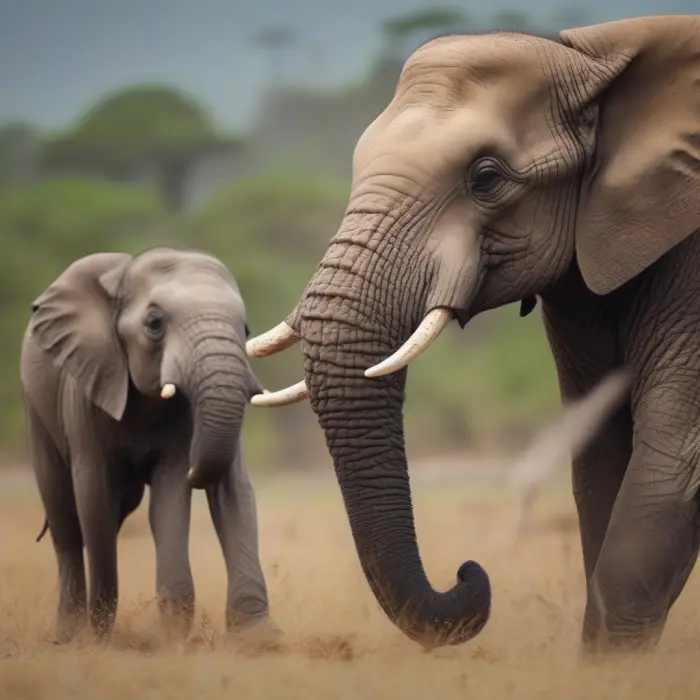
Elephant Abilities: Trunks, Tusks and Communication
Explore useful adaptations without turning every popular claim into a fact about every elephant.
Stories in this section
495 articles
Explore useful adaptations without turning every popular claim into a fact about every elephant.
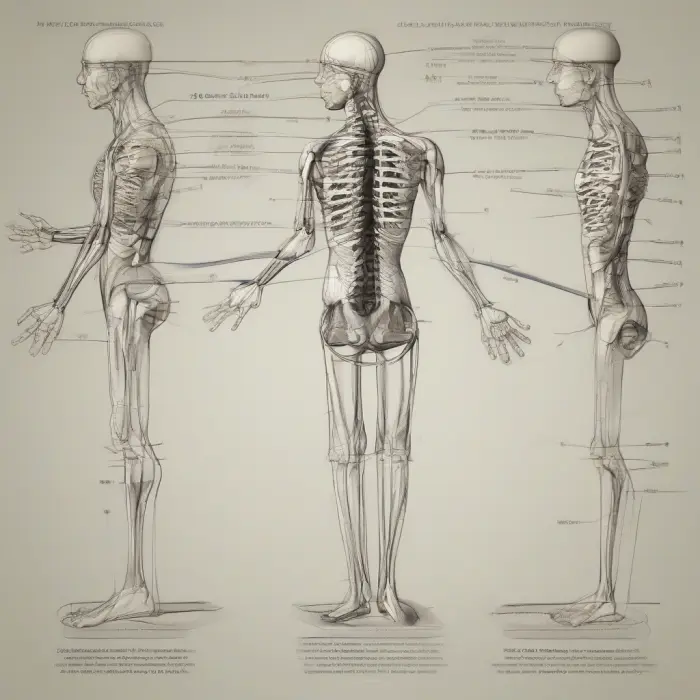
The Science of Biomechanics: Facts About the Mechanics of Life
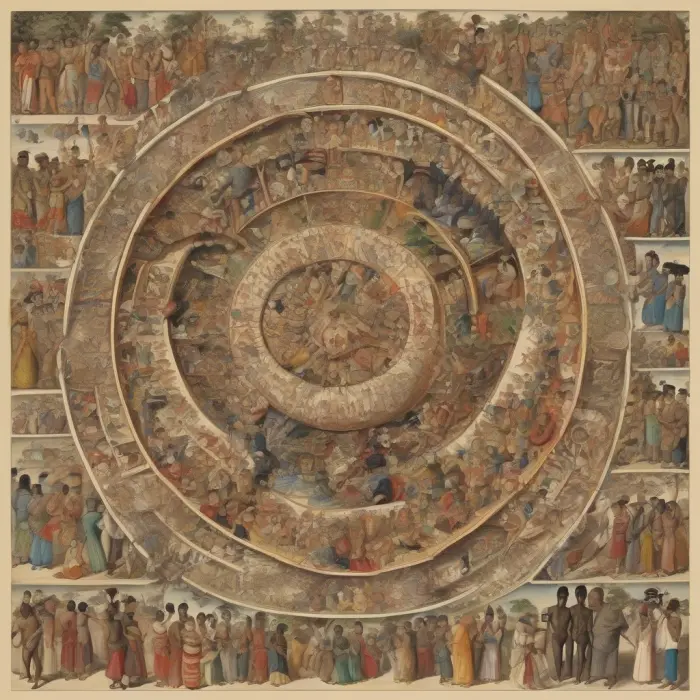
The Bizarre World of Cultural Diversity: Facts and Customs
Intriguing Facts About the Secrets of Ancient Temples
AI can help clinicians interpret information, organize routine work, and support research. Its benefits depend on careful testing, human oversight, privacy protections, and attention to unequal performance.
A guide to how early societies used counting, measurement, geometry, and written numbers to solve practical problems—and how those tools became more abstract.
Quantum biology explores whether effects such as tunneling, energy transfer and magnetic sensitivity help explain how some biological processes work—and why their importance is still debated.
Linked measurement outcomes do not provide a way to send messages faster than light.
Longevity reflects a mix of biology, environment and chance. Learn how aging works, why lifespan differs, and which broad health habits have the strongest practical basis.
Distinguish bursts of radiation, energetic particles and disturbances of Earth’s magnetic field.
Artifacts offer direct evidence of past lives, but their meanings depend on context. Learn how archaeologists interpret objects, distinguish evidence from speculation, and handle the mysteries that remain.
On the night of 1–2 February 1959, 9 hikers died in the northern Urals. A study published on 28 January 2021 proposed a physically plausible delayed snow-slab avalanche mechanism, while stressing that its model could not establish what happened or explain the full tragedy.