How Octopuses Sense, Move, and Solve Problems
Octopuses are soft-bodied marine animals with flexible arms, remarkable camouflage, and a nervous system unlike ours. These features help explain how they explore and respond to their surroundings.
Stories in this section
495 articles
Octopuses are soft-bodied marine animals with flexible arms, remarkable camouflage, and a nervous system unlike ours. These features help explain how they explore and respond to their surroundings.
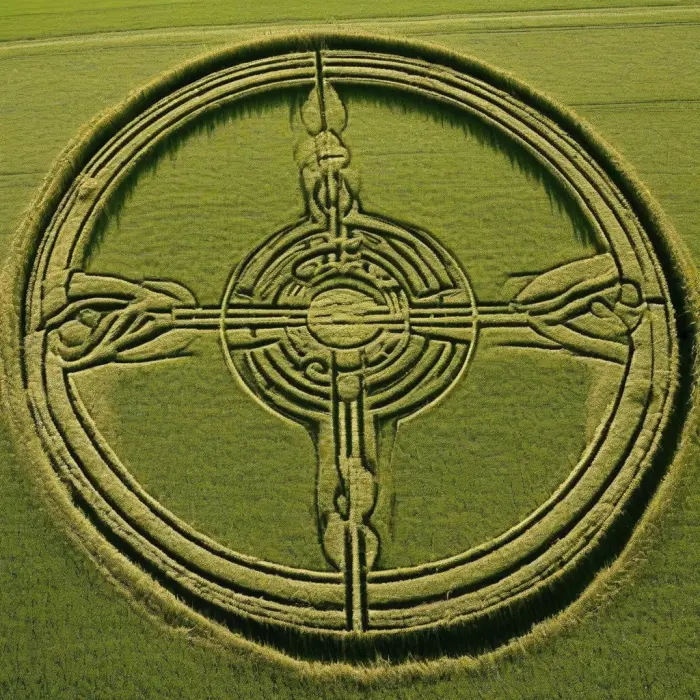
An elaborate field design is not, by itself, evidence of an extraordinary cause.
Epigenetic marks can influence how cells use DNA without changing its sequence. Learn how methylation and histone modification contribute to cell specialization, and why inheritance between cells differs from inheritance across generations.
Alchemy joined hands-on experiments with ideas about nature, matter, and change. Its history is more varied—and less like the legend of turning lead into gold—than popular images suggest.
Quantum computers use quantum states to process information in ways that can help with certain specialized problems. Their abilities are real, but narrower than popular descriptions often suggest.
Research finds shared colour–emotion associations, shaped by context and culture; that does not make colours reliable mood switches.
Technology reshapes how people communicate, work, learn and organize. Its effects depend not only on the tools themselves, but also on who can access them and how institutions and communities use them.
The Bizarre World of Cultural Taboos: Facts and Customs
Perception is not a simple recording of the world. The brain combines signals from the senses with attention, memory and context to build a useful, continually updated picture of what is happening.
Nanomedicine uses materials and devices at very small scales to help detect, understand, or treat disease. Here is what the field can do, why size matters, and what limits its promise.
How archaeologists study objects from the past, place them in context, and distinguish strong evidence from speculation.
Ancient astronomy grew from careful observation of repeating patterns. Across cultures, skywatchers developed calendars, practical navigation and mathematical models, while interpreting celestial events through the beliefs of their own societies.