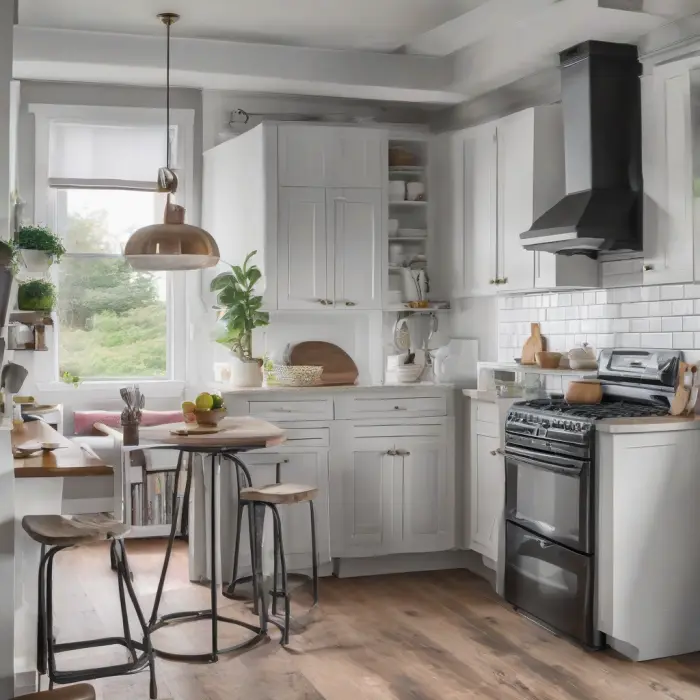
Planning Storage in a Small Kitchen
Review what you use, measure available space and test an arrangement before buying more storage.
Stories in this section
421 articles
Review what you use, measure available space and test an arrangement before buying more storage.
Build a working day around clear priorities, shared expectations and a deliberate finish.
A greasy stovetop and a chalky faucet need different treatments. A small cleaning kit goes a long way when you know what lifts the dirt and what the surface can tolerate.
Use the games children actually play to decide where toys belong. A few well-placed containers, recognizable labels and a place for unfinished projects make cleanup easier without cutting play short.
A pause can ease a tense moment, but a recurring pressure may call for a practical change. Learn to tell the difference and recognize when to seek support.
Decide what you want to change, assess the garment and choose a project that matches your experience.
Try your locks, follow the path to your door after dark, and agree on how to handle visitors. A few everyday checks can make a home easier to secure without making it harder to leave in an emergency.
Try simple changes in framing, viewpoint and light without turning a creative exercise into a technical recipe.
Decide what “ready” looks like before the morning rush. A few well-placed basics, a familiar hairstyle and a clear stopping point make it easier to get out the door.
Plan grocery purchases around food already at home, meals you expect to eat and quantities you can use. Compare unit prices, and treat coupons and bulk offers as savings only when they suit your needs.
A blank monitor, a silent headset or a phone that won’t charge can make a working device look broken. A few reversible checks can help you find the fault without opening the case.
Noticing the first bite, checking what would make a meal satisfying, or enjoying a conversation can all be part of mindful eating. The point is to give yourself more choice, not more rules.