
A European Investment Bank loan of up to €3 billion to Airbus has become the focus of a dispute with Washington over government support for aircraft manufacturers. The financing, agreed in June, is the largest corporate loan the EU’s lending arm has ever authorized.
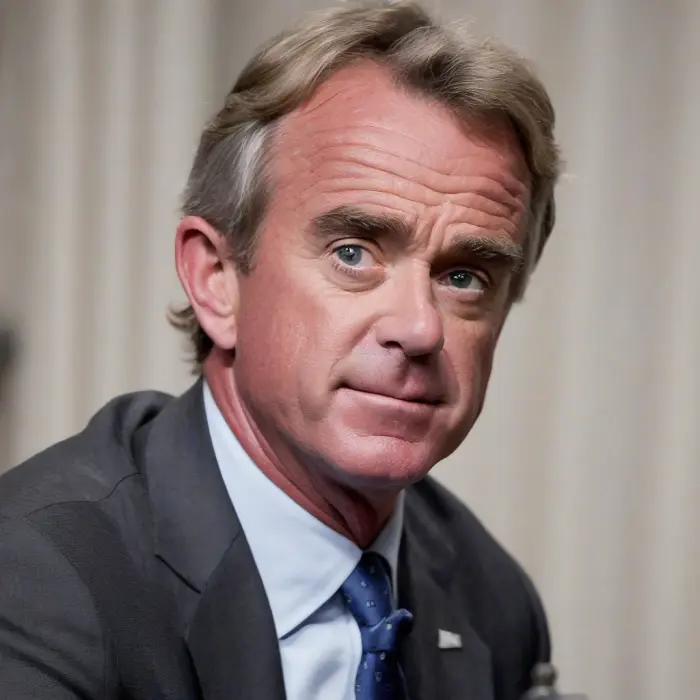
US Trade Representative Jamieson Grier suggested in late October that the loan breached a 2021 EU-US agreement on state support. He accused France, Germany and Spain of having supported Airbus to give it an unfair advantage over US aerospace workers and businesses, and questioned the transparency of the loan’s terms.
The European Union rejects the characterization of the financing as a subsidy. An EU spokesperson told DW that officials were in close contact with Grier’s office and would provide the necessary information. Airbus also said it was engaging with the relevant authorities and was willing to share further details with governments.
What determines whether the loan is a subsidy?
The European Commission says the loan carries interest, must be repaid in full and is offered on market terms. The EIB likewise describes it as a standard corporate loan under its established procedures and says it complies with the market-terms principle in the 2021 agreement. Airbus says the facility resembles commercially available loans it has signed before.
Trade experts interviewed by DW said the assessment depends on details that are not yet clear. Inu Manak, a senior fellow at the Peterson Institute for International Economics, said it was impossible at this stage to determine whether the financing constituted an illegal subsidy. The specific credit terms and whether damage to Boeing’s business could be proved would matter, she said.
Fredrik Erixon, founding director of the European Center for International Political Economy, said the distinction between a subsidy and a loan remained blurred and that a comprehensive World Trade Organization investigation would be needed to establish the full facts. Another potential issue is how the money will be allocated, including the shares for research and development, defense activities and commercial aircraft development.
A long-running aircraft dispute
Airbus and Boeing, the world’s two largest plane manufacturers, were at the center of a 17-year trade dispute in which the WTO found that both the EU and the US had provided state subsidies. The conflict brought years of retaliatory tariffs worth billions of dollars. The two sides agreed in 2021 to end the tariffs under provisions on state support, and strengthened the deal in 2025.
Boeing asked the US trade representative in July to intervene over the EIB loan, linking the financing to Airbus’ plan for a new single-aisle aircraft program. Erixon said Boeing could have a legitimate grievance, while Airbus and the EU could point to Boeing’s own US government contracts. He said military research contracts had produced technology and support for Boeing’s civil aircraft program, something the WTO had previously found.
Manak said the US was signaling displeasure for now and that a conversation would need to take place before matters went further. She identified a Section 301 investigation as an obvious possible next step: such an inquiry would examine whether the loan violates a trade agreement or is unjustified, unreasonable or discriminatory and burdens or restricts US commerce.
Manak also believes the Trump administration has no interest in engaging with the WTO and that the dispute could threaten the broader EU-US trade agreement. Erixon said the issue could give Washington leverage over Europe. He argued that increased military spending and the resulting need for government investment in both manufacturers risked an escalating race in state aid.


Discussion